
ClimAir
Climate change and air contamination: Artificial Intelligence applied on the correlation between air pollutants and non-communicable respiratory diseases in Europe
The rise in allergic diseases such as allergic rhinitis and asthma is strongly linked to environmental factors, particularly climate change and pollution, rather than genetics alone. Climate change increases pollen production and exposure, while pollutants like ozone and particulate matter enhance allergenicity and weaken protective barriers, worsening allergic inflammation. This project aims to combine clinical, environmental, and molecular data to better understand these interactions and improve allergy diagnosis and treatment.


About the study


Locations

L-1210 Luxembourg
L-1210 Luxembourg
Want to learn more?
Who can participate?

Eligible participants
The study is recruiting:
- Be 18 years of age or older (male or female).
- Have a physician-confirmed diagnosis of allergic rhinitis (hay fever) with or without asthma.
- Show sensitisation to at least one pollen allergen – grass (Phleum pratense), birch (Betula pendula), or olive tree (Olea europaea) – confirmed by a blood test (specific IgE) and/or skin prick test.
- Live in Luxembourg and be followed by the collaborating clinical site CHL in Luxembourg.
- Be willing to take part in study procedures, including access to your hospital patient (eHealth) records relevant for the study, collection of blood samples, nasal lavage, and skin tape-strip samples.
- Agree to the optional use of MASK-Air App data for environmental exposure mapping and self-reporting of clinical symptoms over two pollen seasons.

Exclusion criteria
You may not be eligible for the overall study if you:
- Do not have reliable information available in medical data records.
- Have been treated with systemic immunosuppressive medications or biologic therapies within the past 6 months.
- Have chronic rhinosinusitis.
- Have a severe systemic medical condition.
You may not be eligible for biological sample collection in this study if you:
- Have received allergen immunotherapy (for any allergen) within the past 5 years.

Not sure about eligibility?
The study team will review each case individually to determine eligibility. If you are unsure whether you are eligible, do not hesitate to contact us.

What will participants do?
01.
Provide informed consent
This will allow access to your eHealth records. If applicable, you will also sign a separate consent form for the collection of biological samples. By participating, you agree that your pseudonymised study data may be shared with research partners outside the European Union in accordance with applicable European data protection regulations.
02.
Provide biological samples
During a single dedicated in-person visit outside the pollen season, you will be asked to provide:
- 1 blood sample (one blood collection per participant);
- 1 nasal fluid sample (one nasal fluid collection per participant)
- 1 skin tape-strip sample (one skin tape-strip collection per participant).
Contact & location
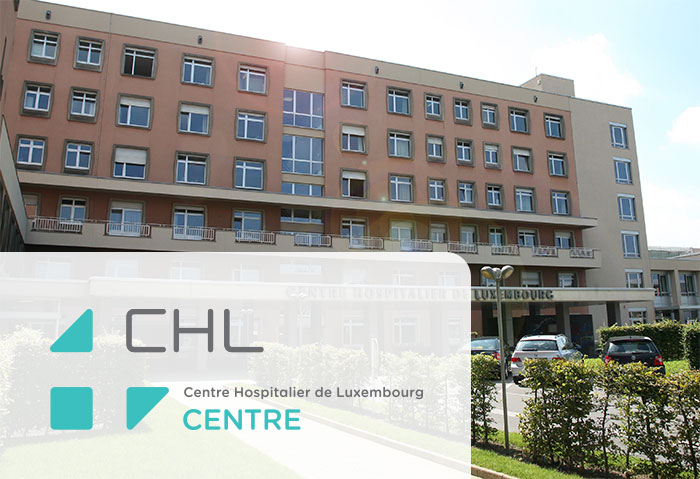
Centre Hospitalier de Luxembourg – CHL Centre
4 rue Barblé
L-1210 Luxembourg
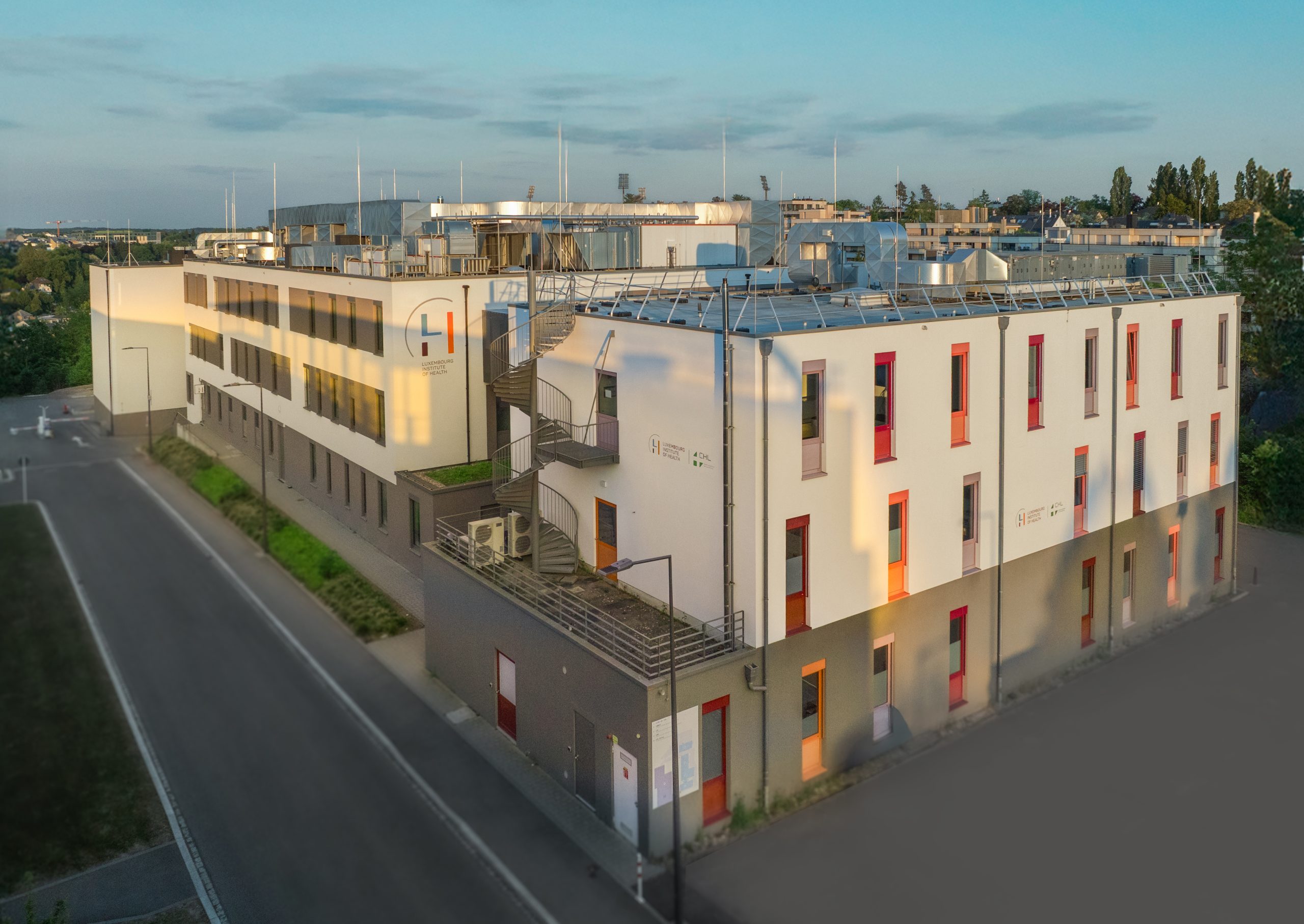
Luxembourg Research Clinic (LRC)
6, Rue Nicolas-Ernest Barblé,
L-1210 Luxembourg
Study team

Dr Christiane Hilger
Group Leader, Molecular & Translational Allergology
Luxembourg Institute of Health (LIH)

Participating institutions





Funded by

The European Union through the Horizon Europe funding programme
Want to learn more about the study?
Visit the Website for full study details, scientific publications and research background.
Related news & updates

Small country, significant capacity
Luxembourg may be one of Europe’s smallest countries, but the Luxembourg Research Clinic demonstrates how its highly connected national network…

Clinnova Consortium Agreement signed, marking a major milestone for health research across Europe
Thanks to a joint investment from LIH and the Ministry of Health, the national biobank accessible to LRC studies has…

Building on Luxembourg’s Research Strengths
The Luxembourg Research Clinic brings together the strengths of Luxembourg’s leading healthcare, research and academic institutions, building on established expertise…
Related events
Clinical Research Luxembourg Conference

Why does clinical research matter today in Luxembourg? Clinical research plays a vital role in improving patient care, driving medical…