
COHESion
Natural History of Hypereosinophilia and Hypereosinophilic Syndromes
COHESion Cohort (national COhort of hypereosinophilic syndrome (HES) patients) is an European study that aims to improve the understanding of hypereosinophilia (HE) and hypereosinophilic syndromes (HES), a group of rare diseases in which abnormally high levels of eosinophils (a type of white blood cell) can cause inflammation and damage to different organs. Although treatments exist, many aspects of these diseases remain poorly understood. The study will follow people living with hypereosinophilia or hypereosinophilic syndromes over time to better understand how the disease develops, which organs are affected, how patients respond to treatment, and which factors influence disease progression. Clinical information and biological samples will be collected to investigate potential genetic and biological markers associated with disease severity and treatment response, with the ultimate goal of improving diagnosis, monitoring and personalised care.


About the study


Locations

L-1210 Luxembourg
Contact

Ready to take part?
Our team is available to answer all your questions before you decide.
Who can participate?

Eligible participants
- Male or female patients diagnosed with hypereosinophilia (HE), hypereosinophilic syndrome (HES), or an organ-specific eosinophilic disease.
- Have persistent high eosinophil levels or organ involvement related to eosinophilic disease.
- Were diagnosed on or after 1 January 2005.
- Are covered by a social security scheme.
- Are willing to take part in the study and attend follow-up visits
Patients of all ages, including children, pregnant or breastfeeding women, may be eligible to participate.

Exclusion criteria
- Have hypereosinophilia caused by a parasitic infection, medication, or cancer and have received a specific treatment (e.g chemotherapy or hematopoietic stem cell transplantation).
- Have PR3-ANCA or MPO-ANCA-associated vasculitis.
- Have bullous pemphigoid.
- Have eosinophilic oesophagitis without blood hypereosinophilia or another eligible eosinophilic disease.
- Are unable to understand the study information or provide informed consent.
- Are not covered by a social security insurance or under legal protection scheme.

Not sure about eligibility?
The study team will review each case individually to determine eligibility. If you are unsure whether you are eligible, do not hesitate to contact us.

What will participants do?
01.
Attend an inclusion visit
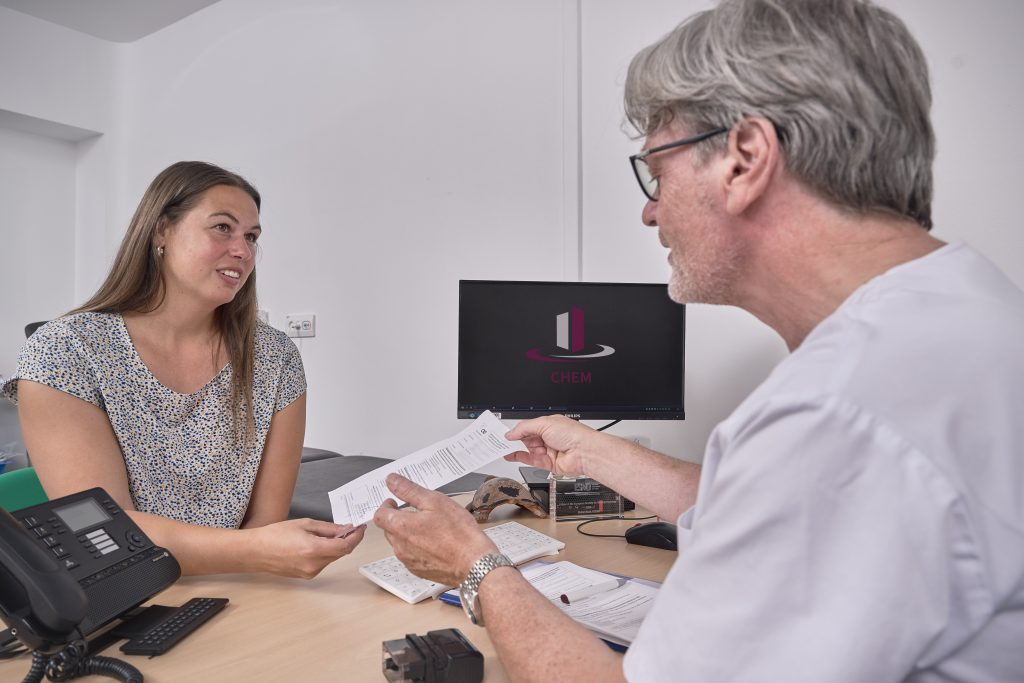
This will be carried out as part of standard care: explanation of the study, answering of participant’s questions, signature of an informed consent form.
02.
Provide information about the disease
As part of the medical routine, this will include information about your medical history and disease, including symptoms, treatments, and previous clinical examinations.
03.
Complete a questionnaire (mandatory)
This will consist of a quality of life questionnaire.
04.
Provide a blood sample (optional)
Collection of an additional blood sample for genetic research.
05.
Attend annual follow-up visits
These visits will be carried out as part of routine medical care for up to 5 years allowing the monitoring of the changes of the disease over time.
Contact & location
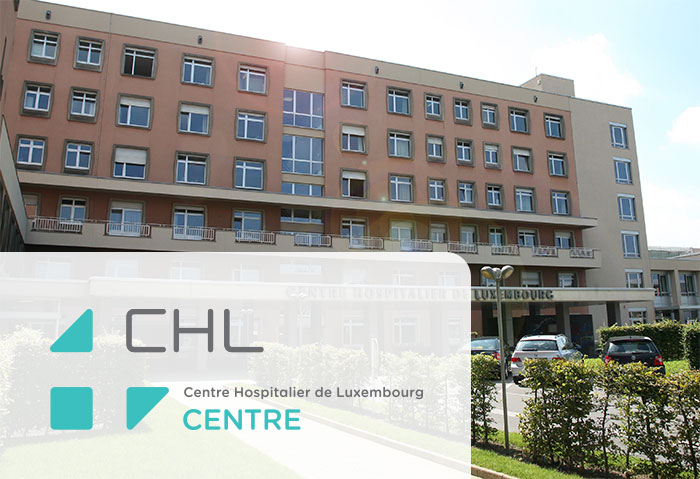
Centre Hospitalier de Luxembourg – CHL Centre
4 rue Barblé
L-1210 Luxembourg
Principal investigator

Study team
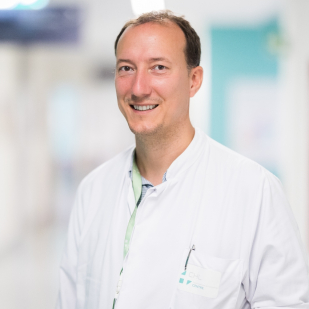

Dr Françoise Codreanu-Morel
Centre Hospitalier de Luxembourg (CHL)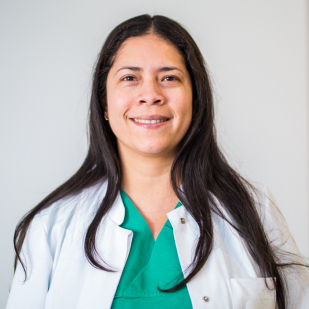
Dr Veronica Prado
Specialist in Gastroenterology and Hepatology
Centre Hospitalier de Luxembourg (CHL)


Participating institutions


Funded by
Centre de référence des syndromes hyperéosinophiliques (CEREO)
Astra Zeneca
GSK
Want to learn more about the study?
Visit the website for full study details, scientific publications and research background.
Ready to take part?
Our team is available to answer all your questions before you decide.
Related news & updates
Small country, significant capacity
Luxembourg may be one of Europe’s smallest countries, but the Luxembourg Research Clinic demonstrates how its highly connected national network…

Clinnova Consortium Agreement signed, marking a major milestone for health research across Europe
Thanks to a joint investment from LIH and the Ministry of Health, the national biobank accessible to LRC studies has…

Building on Luxembourg’s Research Strengths
The Luxembourg Research Clinic brings together the strengths of Luxembourg’s leading healthcare, research and academic institutions, building on established expertise…
Related events
Clinical Research Luxembourg Conference

Why does clinical research matter today in Luxembourg? Clinical research plays a vital role in improving patient care, driving medical…