
ImmunoGal
The α-Gal syndrome – Investigating immune reactions to tick bites leading to inflammation and allergic sensitization
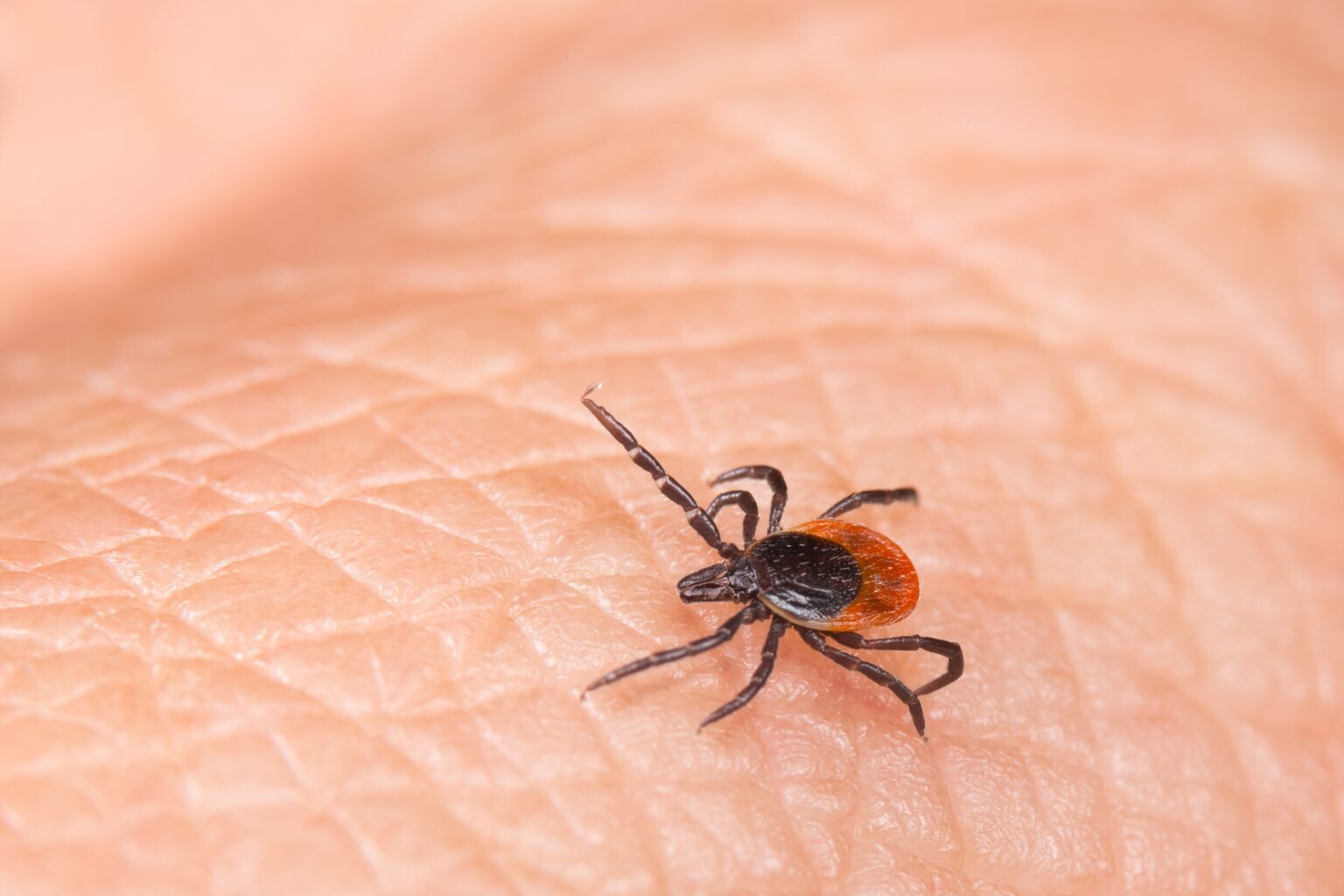
Tick bites can transmit infectious diseases, but they can also trigger alpha-Gal syndrome (AGS), a rare food allergy to red meat that develops in some people after exposure to certain tick bites. However, researchers still do not understand why some people develop this allergy while others do not. The ImmunoGal study aims to investigate how the immune system responds during the first hours and weeks after a tick bite. By analysing blood samples and the tick itself, researchers will study immune responses, identify tick-borne pathogens, and determine whether participants develop antibodies associated with alpha-Gal syndrome. By comparing participants who develop an allergic response with those who do not, the study hopes to identify early immune markers that predict the development of alpha-Gal syndrome. The findings will also contribute to national surveillance of tick species and tick-borne diseases in Luxembourg, helping to improve prevention, diagnosis, and public health strategies.
Red meat allergy
Alpha-Gal syndrome
Tick bites
About the study


Locations

L-1210 Luxembourg
Contact


Ready to take part?
Our team is available to answer all your questions before you decide.
Who can participate?

Eligible participants
You may be eligible to participate if you:
- Are 18 years of age or older.
- Have been bitten by a tick within the last 48 hours.
- Are able to provide the tick that caused the bite (dead or alive).
- Are willing to attend the study visits, complete questionnaires, and provide blood samples.
- Are able to understand the study information and provide written informed consent.

Exclusion criteria
You may not be eligible to participate if you:
- Have an acute viral/bacterial inflammation.
- Have an immune deficiency or are currently under immunosuppressive treatments.
- Are undergoing immunotherapy with omalizumab.
- Have a neurological disease/cognitive disorder.

Not sure about eligibility?
The study team will review each case individually to determine eligibility. If you are unsure whether you are eligible, do not hesitate to contact us.

What will participants do?
01.
Attend a first study visit
This will take place within 48 hours of removing the tick. You will complete a questionnaire about the tick bite and your health, provide a blood sample, and bring the tick in a small container or envelope for analysis. If you cannot remove the tick yourself, the study team can remove it. The tick should be removed as soon as possible.
02.
Attend a follow-up visit
This will take place 4 to 6 weeks later. You will provide another blood sample and complete a second questionnaire, allowing researchers to study how your immune response changes over time.
02.
Possibly attend a third study visit
If you are selected for additional follow-up, this visit will take place approximately 3 months after the tick bite. It may include allergy assessments to investigate the development of alpha-Gal syndrome.
Contact & location

Luxembourg Research Clinic (LRC)
6, Rue Nicolas-Ernest Barblé,
L-1210 Luxembourg
Study team



Dr Christiane Hilger
Group Leader, Molecular & Translational Allergology
Luxembourg Institute of Health (LIH)Participating institutions


Funded by
Fonds National de la Recherche (FNR)
Want to learn more about the study?
Visit the Luxembourg Institute of Health website for full study details, scientific publications and research background.
Ready to take part?
Our team is available to answer all your questions before you decide.
Related news & updates
Small country, significant capacity
Luxembourg may be one of Europe’s smallest countries, but the Luxembourg Research Clinic demonstrates how its highly connected national network…

Clinnova Consortium Agreement signed, marking a major milestone for health research across Europe
Thanks to a joint investment from LIH and the Ministry of Health, the national biobank accessible to LRC studies has…

Building on Luxembourg’s Research Strengths
The Luxembourg Research Clinic brings together the strengths of Luxembourg’s leading healthcare, research and academic institutions, building on established expertise…
Related events
Clinical Research Luxembourg Conference

Why does clinical research matter today in Luxembourg? Clinical research plays a vital role in improving patient care, driving medical…