
RBD
Luxembourg National Sleep Study
The Luxembourg National Sleep Study (RBD Study) aims to improve our understanding of the relationship between sleep disorders and neurodegenerative diseases such as Parkinson’s disease. The study focuses on REM Sleep Behaviour Disorder (RBD), a sleep condition in which people may act out their dreams by talking, shouting, or moving during sleep. Researchers have found that some people with RBD may develop Parkinson’s disease or related neurological conditions later in life. By following individuals with RBD over time, researchers hope to better understand the early signs and risk factors associated with Parkinson’s disease and other neurodegenerative disorders. The goal is to improve early detection, support the development of new diagnostic tools, and contribute to future strategies for prevention and treatment.

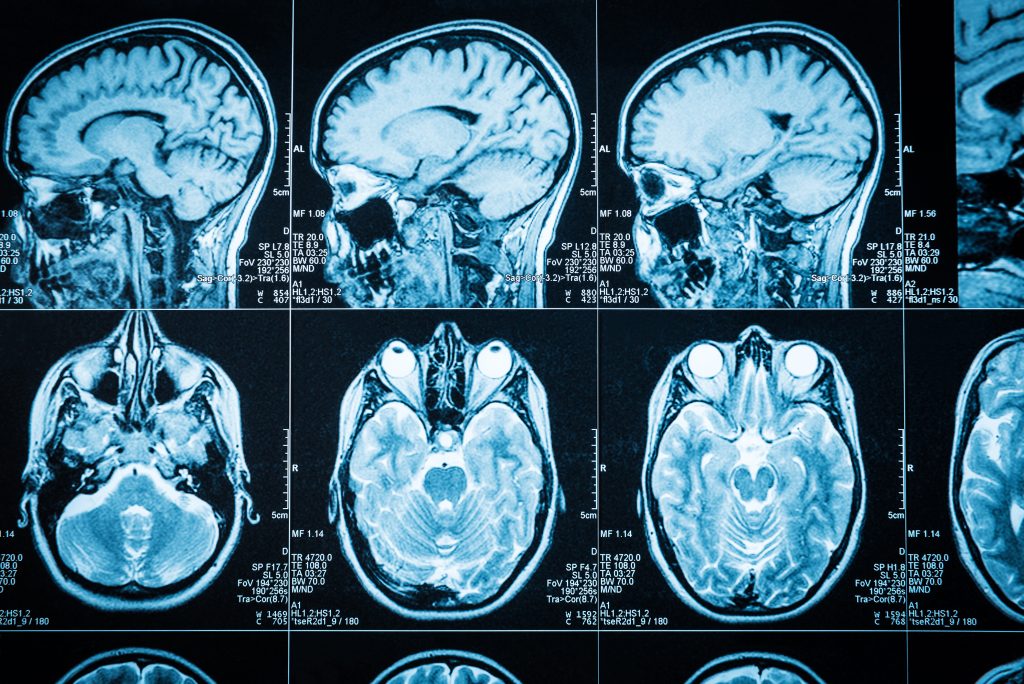
RBD (Luxembourg National Sleep Study) is part of the NCER-PD programme
About the study


Locations

L-1210 Luxembourg
Contact


Want to learn more?
Who can participate?

Eligible participants
- Have clinical symptoms of RBD as assessed by questionnaires and interviews
- Are between 55 and 80 years of age.
- Consent via a web-based secured interface to participate in the Luxembourg National REM Sleep Behaviour Study
- Currently live in Luxembourg.
For the subjects recruited from the ongoing Luxembourg Parkinson’s Study, a written consent form for participation in the ND collection study is required

Exclusion criteria
• Limited capacity of consent
• Dementia of any origin
• Diagnosis of any alpha-synucleiopathy (PD/DLB/MSA) prior to study inclusion
• Absence of iRBD after assessment by PSG or equivalent modality
• Refusal to comply with the data collection, storage and analysis

Not sure about eligibility?
The study team will review each case individually to determine eligibility. If you are unsure whether you are eligible, do not hesitate to contact us.

What will participants do?
01.
Complete an online questionnaire
This will cover your sleep quality, sleep habits, and possible symptoms of REM Sleep Behaviour Disorder.
02.
Take part in a telephone assessment
A member of the study team will discuss your sleep symptoms with you in more detail.
03.
Complete additional assessments at home
If you are selected for the next phase of the study, these may include a smell test and follow-up questionnaires.
04.
Attend follow-up visits
These will take place at the Parkinson’s Research Clinic, where the study team may assess your neurological health, sleep symptoms, and other factors related to brain health.
05.
Participate in long-term follow-up assessments (in case of a confirmed RBD diagnosis)
These will include:
- Biological sample collection (blood, urine and saliva and optionally additional sample collection such as CSF, stool, hair,..)
- Neurological and neuropsychological assessments.
Where we are currently
To recruit new participants in early 2021, the team invited people aged 55 to 75 living in Luxembourg to take part in an online survey via post. Participants then created an account on a secure website and completed a short 10 minute survey.
This survey allowed the team from the National Centre of Excellence in Research for Parkinson’s Disease (NCER-PD) to identify participants who may have experienced sleep disorders in general. Among them, those who are more likely to be specifically affected by RBD had been re-contacted and invited to take part in a more advanced clinical assessment. This assessment included several steps: first, a phone interview, followed by a smell test and an additional questionnaire for some of the participants. Then, depending on the results, the group that had the highest probability to be diagnosed by RBD was invited to come to the Luxembourg’s Research Clinic for further clinical examinations by a neurologist and a neuropsychologist from the NCER-PD team.
At the end of all these steps, only the participants showing no signs of neurodegenerative diseases and for which the clinical team suspects RBD did undergo a sleep assessment in a sleep laboratory in a hospital or at home using an at home monitoring device if the participants agreed to.
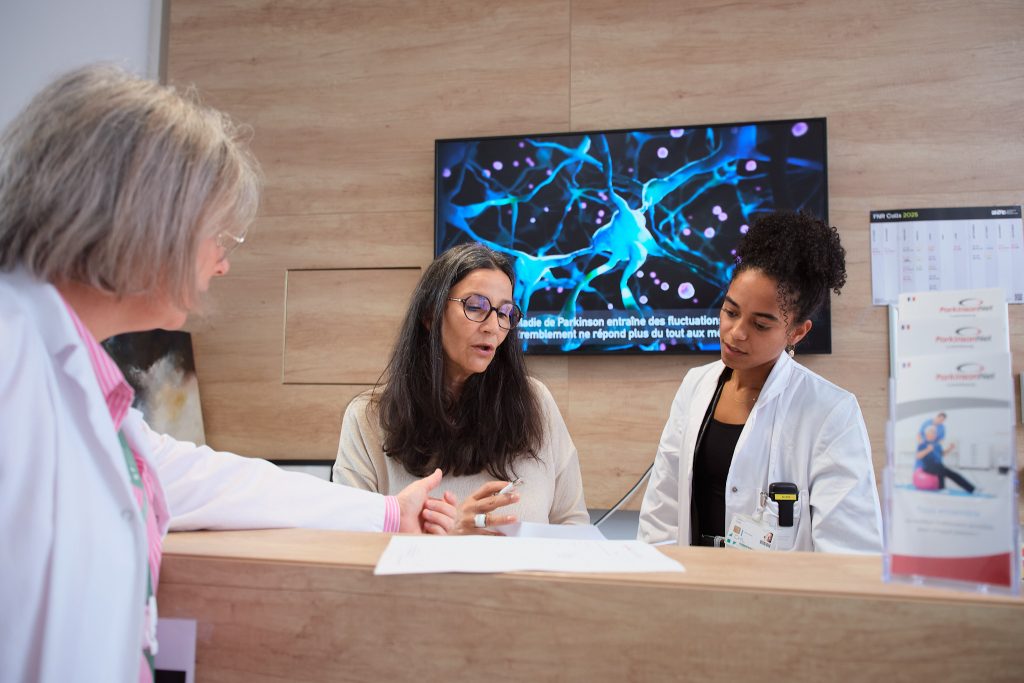
Contact & location
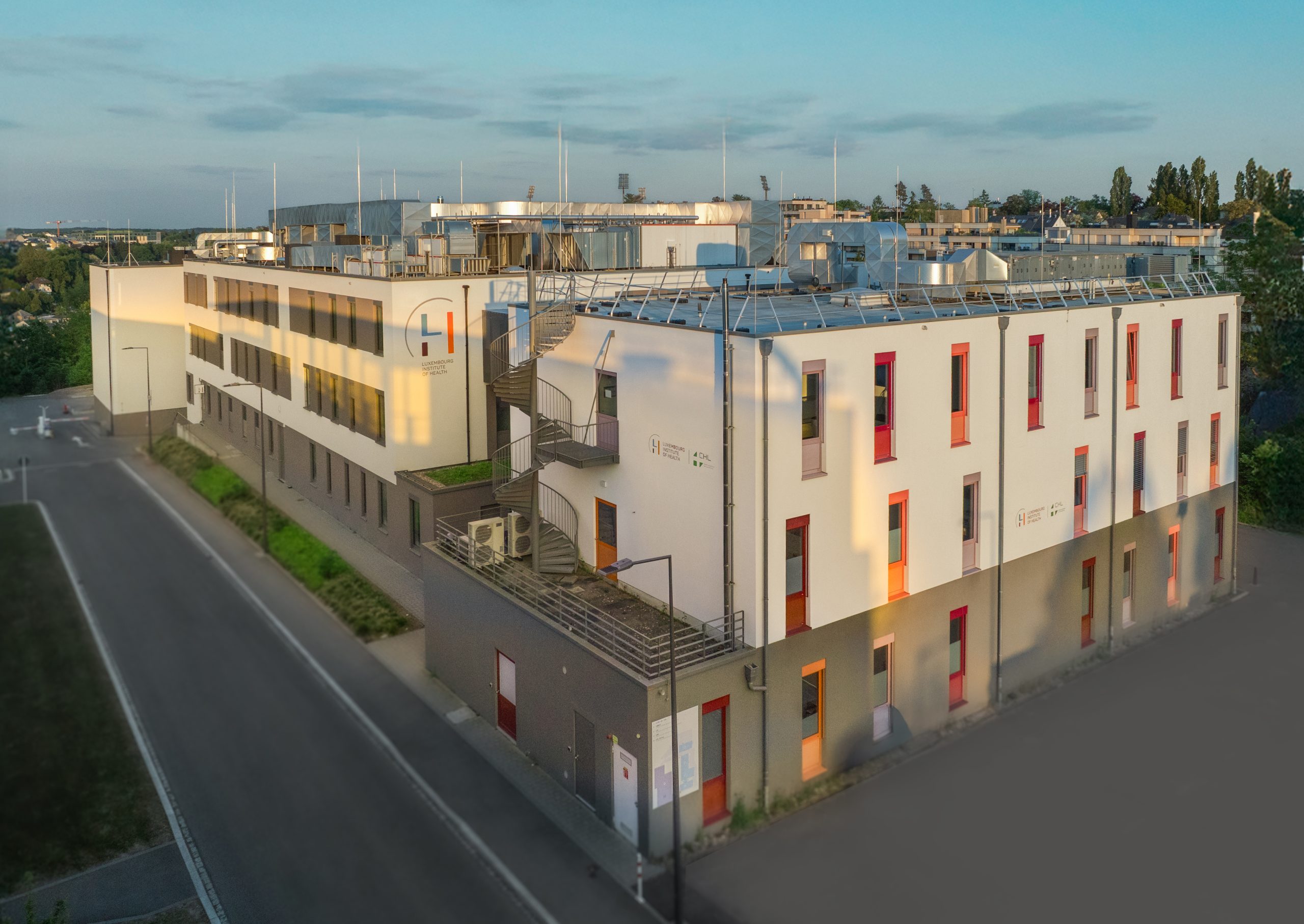
Luxembourg Research Clinic (LRC)
6, Rue Nicolas-Ernest Barblé,
L-1210 Luxembourg
Study team

Prof. Dr Rejko Krüger
Coordinator, National Centre for Excellence in Research on Parkinson’s disease (NCER-PD); Director of Neurology, Luxembourg Research Clinic (LRC), Luxembourg Institute of Health (LIH); Neurologist and Medical coordinator, Réseau de Compétences Maladies Neurodégénératives, Centre Hospitalier de Luxembourg (CHL); Professor for Clinical and Experimental Neuroscience, University of Luxembourg (UL)
Centre Hospitalier de Luxembourg (CHL)Participating institutions






Funded by
Luxembourg National Research Fund (FNR)
Want to learn more about the study?
Visit the website for full study details, scientific publications and research background.
Related news & updates
Small country, significant capacity
Luxembourg may be one of Europe’s smallest countries, but the Luxembourg Research Clinic demonstrates how its highly connected national network…
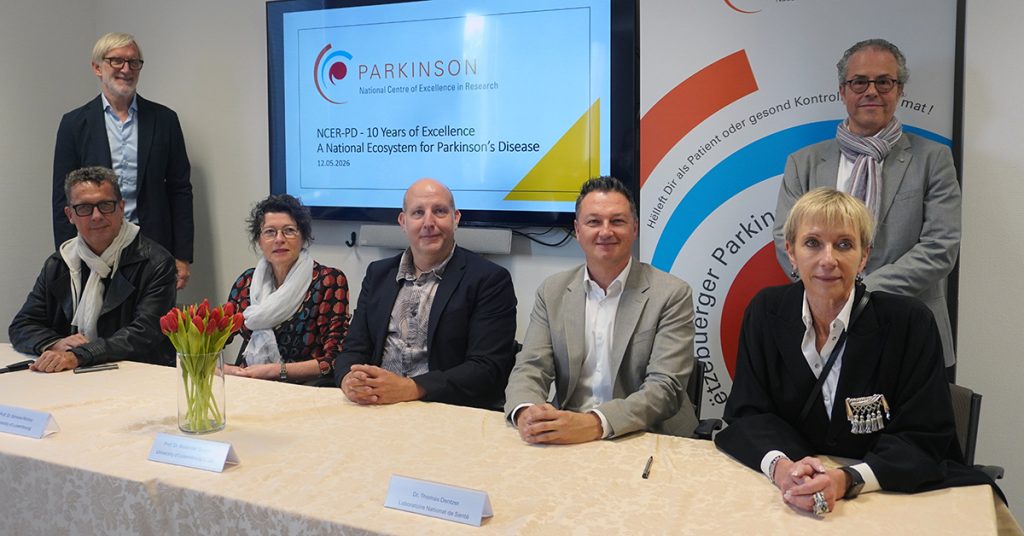
Landmark agreement ensures sustainability of Luxembourg Parkinson’s programme
Three leading researchers have joined the LRC's scientific committee, bringing expertise in immunology, rare diseases, and translational genomics from institutions…
Related events
Clinical Research Luxembourg Conference

Why does clinical research matter today in Luxembourg? Clinical research plays a vital role in improving patient care, driving medical…