
Early-Nut
Early nut protein introduction to reduce the risk of food allergy
Food allergies often begin early in life, but research has shown that introducing certain allergenic foods, such as nuts, between 4 and 6 months of age may help reduce the risk of developing food allergies later in childhood. However, researchers still do not fully understand how early food introduction helps the immune system develop tolerance. The Early-Nut study aims to better understand the biological changes that occur when allergenic nuts are introduced during infancy. By collecting clinical information and biological samples from infants who either follow an early nut introduction approach or an avoidance diet, researchers hope to identify biomarkers that can predict the development of food tolerance. The study will focus in particular on immune markers found in blood and stool samples, as well as the role of the gut microbiome and intestinal health. The findings may help improve our understanding of food allergy prevention and support the development of more personalised strategies to identify children who are most likely to benefit from early allergen introduction.
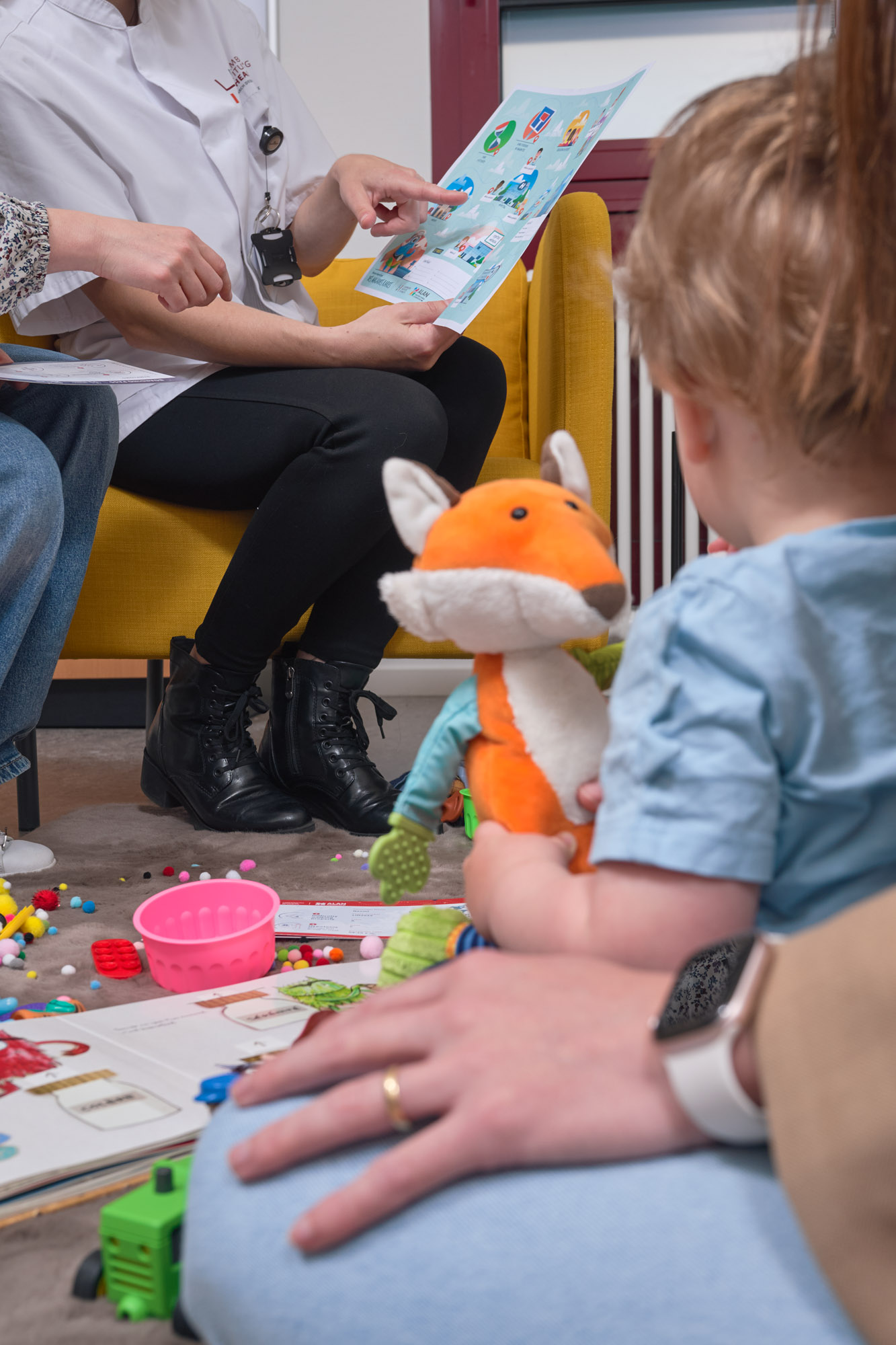
About the study


Locations

4, rue Ernest Barblé
L-1210 Luxembourg
Contact


Who can participate?

Eligible participants
Children may be eligible to participate if they:
- Are between 4 and 6 months of age.
- Are considered to be at high risk of developing food allergies (eczema and/or family history).
- Are being followed by the study team at the Kannerklinik (CHL).
- Are following, or are planning to follow, either an early introduction of allergenic nuts, or an avoidance diet as recommended by their treating physician.
- Have a parent or legal guardian who is willing to provide written informed consent.

Exclusion criteria
- Their treating physician determines that participation would not be appropriate or safe.
- Prematurity, chronic disease
- Fear of introducing nuts

What will participants do?
If a parent decides that their child should participate, they will be asked to:
01.
Attend study visits with your child
These will take place when the child is between 4 and 6 months old, during several follow-up visits, and again at around 12 months of age.
02.
Complete questionnaires
These will cover the child’s health, feeding practices, and allergy history.
03.
Allow routine allergy assessments
These may include skin tests, as recommended by the study physician.
04.
Provide biological samples from the child
Contact & location

Centre Hospitalier de Luxembourg – CHL KannerKlinik
CHL KannerKlinik
4, rue Ernest Barblé
L-1210 Luxembourg
Study team

Dr Annette Kuehn
Group Leader, Molecular & Translational Allergology
Luxembourg Institute of Health (LIH)
Dr Françoise Codreanu-Morel
Centre Hospitalier de Luxembourg (CHL)Participating institutions


Funded by
The Ministry of Health and Social Security.
Related news & updates

Small country, significant capacity
Luxembourg may be one of Europe’s smallest countries, but the Luxembourg Research Clinic demonstrates how its highly connected national network…

Clinnova Consortium Agreement signed, marking a major milestone for health research across Europe
Thanks to a joint investment from LIH and the Ministry of Health, the national biobank accessible to LRC studies has…

Building on Luxembourg’s Research Strengths
The Luxembourg Research Clinic brings together the strengths of Luxembourg’s leading healthcare, research and academic institutions, building on established expertise…
Related events
Clinical Research Luxembourg Conference

Why does clinical research matter today in Luxembourg? Clinical research plays a vital role in improving patient care, driving medical…