
GLUREDIA
A longitudinal study of the glucagon response to low blood sugar (hypoglycemia) in newly diagnosed children and adolescents with type 1 diabetes: characteristics and predictive biomarkers
The GLUREDIA study aims to better understand how the body protects itself against low blood sugar (hypoglycemia) in children and adolescents aged 2 to 18 years with type 1 diabetes. In particular, researchers are investigating the function of pancreatic alpha cells and the hormones involved in restoring blood sugar levels when they become too low.
By studying these mechanisms alongside individual characteristics of diabetes and potential genetic factors, GLUREDIA seeks to identify patients who may be at greater risk of severe hypoglycemia. The findings could ultimately contribute to more personalised approaches to the monitoring and management of type 1 diabetes in children and adolescents.


Want to know more?
For further information, please contact the study team.
About the study


Locations

4, rue Ernest Barblé
L-1210 Luxembourg
Contact


Eligible participants
- Children between 2 and 18 years of age.
- Have been newly diagnosed with type 1 diabetes.
- Meet the study’s diagnostic criteria for type 1 diabetes, including elevated blood glucose and/or HbA1c levels and the presence of one or more diabetes-related autoantibodies.
- Body weight of at least 17 kg, as required for the study blood collections.
- Informed consent signed by the parents or legal representative if applicable.

Exclusion criteria
- Children not meeting the age requirement.
- Use of certain medications that may interfere with insulin secretion or insulin sensitivity.
- Diagnosis of another autoimmune or autoinflammatory disease, or an active cancer at the time of inclusion.
- Presence of severe obesity, as defined by the study protocol.
- Presence of liver, kidney, or adrenal insufficiency.
- Previous bone marrow transplant.
- History of diabetes following a haemolytic uraemic syndrome.
- Epilepsy.
- Dysmorphia with suspicion of an underlying genetic syndrome.

Study procedures?
01.
Clinical and blood sugar data
collected during child’s routine diabetes consultations will be used throughout the study.
02.
Completion of a questionnaire about hypoglycemia,
including any previous episodes of severe hypoglycemia and how they were managed. This will help researchers to assess the individual risk of hypoglycemia.
03.
Blood samples will be collected to measure glucagon and other hormones
involved in the body’s response to low blood sugar. Whenever possible, these samples will be coordinated with routine diabetes visits and blood tests to avoid additional appointments and venous punctions.
04.
The child may undergo a specific test of glucagon secretion (optional).
This involves arriving fasting, having a small intravenous catheter inserted, receiving their usual insulin dose and for a defined meal or nutritional drink, and providing three blood samples at approximately 1.5-hour intervals.
05.
Optional genetic analysis
may also be performed (with specific consent). This will focus on genes related to type 1 diabetes and the body’s mechanisms for regulating blood sugar.
Contact & location
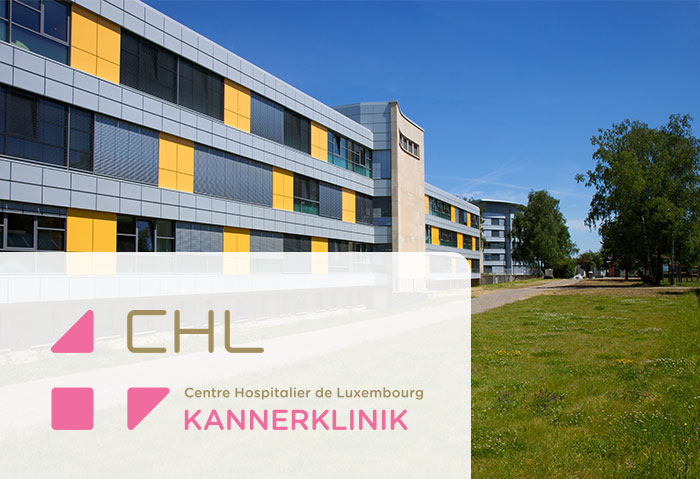
Centre Hospitalier de Luxembourg – CHL KannerKlinik
CHL KannerKlinik
4, rue Ernest Barblé
L-1210 Luxembourg
Principal Investigator

Prof. Dr Marianne Becker
Endocrinologie-Diabétologie Pédiatrique
Centre Hospitalier de Luxembourg (CHL)
Prof. Philippe Lysy
Department of Specialised Pediatrics
Cliniques universitaires Saint-Luc (CUSL) (Belgium)Participating institutions
The GLUREDIA study is sponsored by the Cliniques universitaires St-Luc, Bruxelles, Belgium and involves multiple clinical sites across Belgium; the Centre Hospitalier de Luxembourg is the only clinical site outside Belgium.


Funded by
Cliniques universitaires St-Luc, Bruxelles, Belgium, with the support of CHL
Related news & updates
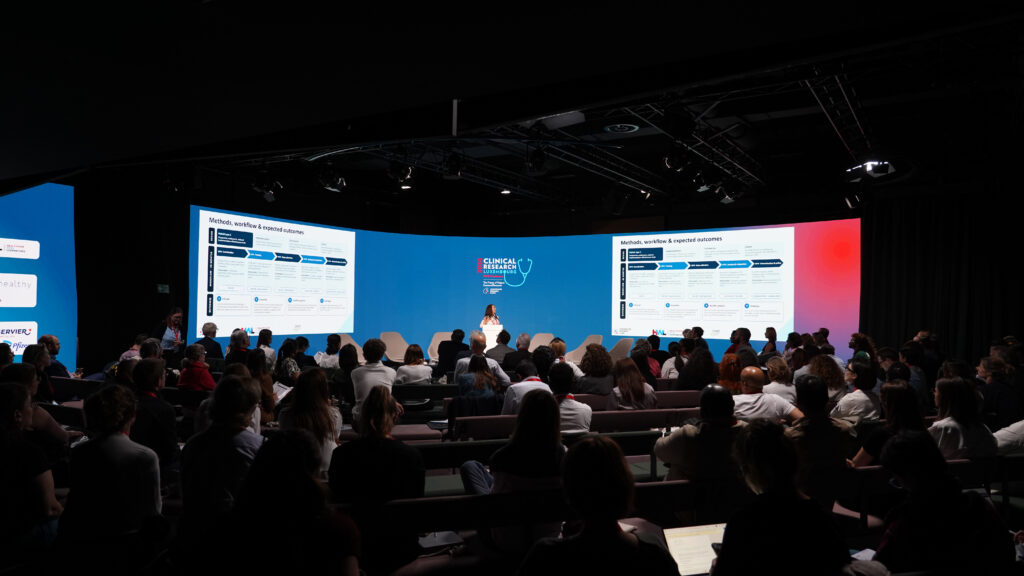
Luxembourg Research Clinic was launched during the Clinical Research Conference to strengthen patient access to clinical research
On September 29, the Luxembourg Institute of Health (LIH) and its national partners officially inaugurated the Luxembourg Research Clinic (Fuerschungsklinik…
Small country, significant capacity
Luxembourg may be one of Europe’s smallest countries, but the Luxembourg Research Clinic demonstrates how its highly connected national network…
Related events
Clinical Research Luxembourg Conference

Why does clinical research matter today in Luxembourg? Clinical research plays a vital role in improving patient care, driving medical…