
REPHLECS-PD
Real-World Monitoring of Postural Hypotension Leveraging Cardiovascular Wearable Sensors in Parkinson’s Disease.
Many people living with Parkinson’s disease experience orthostatic hypotension (OH), a condition in which blood pressure drops when standing up. This can cause symptoms such as dizziness, light-headedness, or even falls, which can have a significant impact on daily life and independence. However, this condition often goes unnoticed.
The REPHLECS-PD study aims to improve the detection and monitoring of orthostatic hypotension in people with Parkinson’s disease. The study evaluates two devices, namely the SOMNOtouch and the Empatica EmbracePlus, that can continuously provide information on body position during everyday activities, heart rate and other cardiovascular measurements. By studying how the body responds to changes in posture, such as standing up from a chair or getting out of bed, researchers hope to better understand orthostatic hypotension and identify it earlier.
The findings from this study may help healthcare professionals recognise and manage the condition more effectively, ultimately reducing the risk of falls and improving safety and quality of life for people living with Parkinson’s disease.
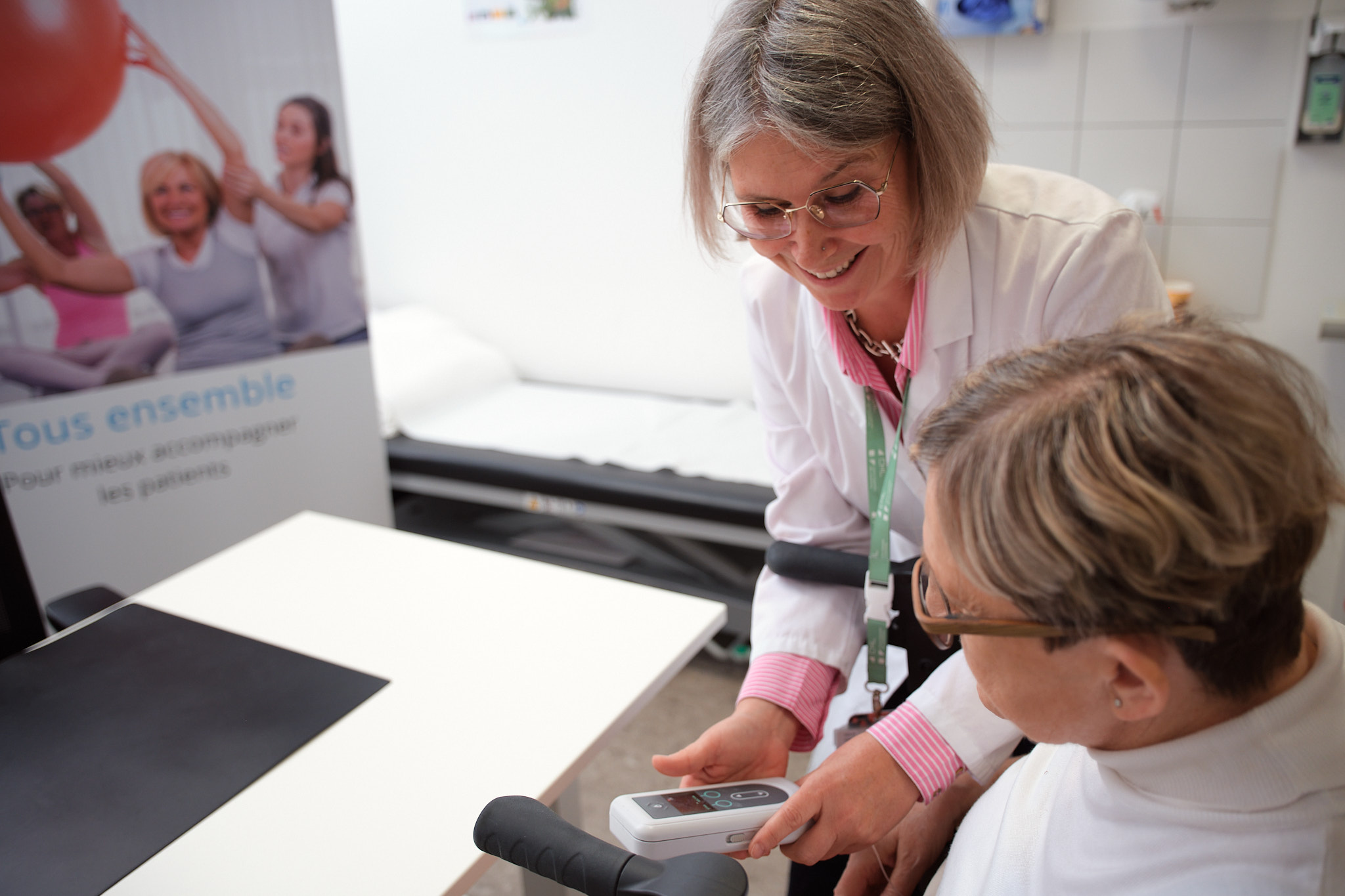
About the study


Locations
L-4365 Esch-sur-Alzette
Want to know more?
Who can participate?

Eligible participants
REPHLECS-PD recruited participants living in Luxembourg and the Greater Region, including:
- 20 healthy adults without Parkinson’s
- 20 people with Parkinson’s disease with orthostatic hypotension (OH) symptoms (such as dizziness, weakness or lightheadedness when standing)
- 20 people with Parkinson’s who did not display OH symptoms
- Participants of all groups able to stand in order to complete the Schellong test at home.

Exclusion criteria
You may not be eligible for this study if you:
- do not live in Luxembourg or the Greater Region.
- suffered from cardiovascular diseases, cognitive impairments, or other neurodegenerative disorders.
- are pregnant.
- cannot stand
- have diabetes

What did participants do?
Participation involved two phases, namely a screening and baseline assessment at the Parkinson’s Research Clinic, followed by 7 days of home monitoring, and took approximately one week in total.
Participants were asked to:
01.
Attend a study visit at the Parkinson’s Research Clinic (PRC)
and sign an informed consent form before any study procedures are carried out.
02.
Complete a clinical assessment
including a Schellong test, while wearing the study monitoring devices (SOMNOtouch and Empatica EmbracePlus). During this visit, the study team explained how to use the wearable devices and how to perform the home assessments.
03.
Wear the Empatica EmbracePlus wristband
at home for 7 days during normal daily activities. The wristband continuously monitored physiological parameters such as heart rate and body position..
04.
Perform the Schellong test twice a day at home
(approximately 10 minutes per test). This involved lying down for a few minutes to obtain baseline measurements and standing up while heart rate and blood pressure responses were monitored.
05.
Keep a simple study diary
These were collected during the longer study visits and at the final follow-up visit to monitor their health and support the study analyses.
06.
Complete a short usability questionnaire
at the end of the 7-day monitoring period to provide feedback on how easy the Empatica EmbracePlus wristband was to use.
07.
Return the study materials
(wristband, diary, and questionnaire) either in person at the clinic or using the certified courier service provided by the study team.
Contact & location

Uni.lu – Belval Campus
2 avenue de l’Université
L-4365 Esch-sur-Alzette
University research site hosting the LCSB and Faculty of Science, Technology and Medicine, dedicated to translational and computational research.
Principal Investigator

Principal investigator
Prof. Dr Jochen Klucken
Dr Jochen Klucken, Head of the Digital Medicine group, Luxembourg Centre for Systems Biomedicine (LCSB)/University of Luxembourg (UL); Centre Hospitalier de Luxembourg (CHL)
Study team

Marijus Giraitis
University of Luxembourg (Uni.lu)Stefano Sapienza
University of Luxembourg (Uni.lu)Francesca Terranova
University of Luxembourg (Uni.lu)Participating institutions


Funded by
dHealthPD FNR PEARL
Want to learn more about the study?
Visit the study website for full study details.
Related news & updates
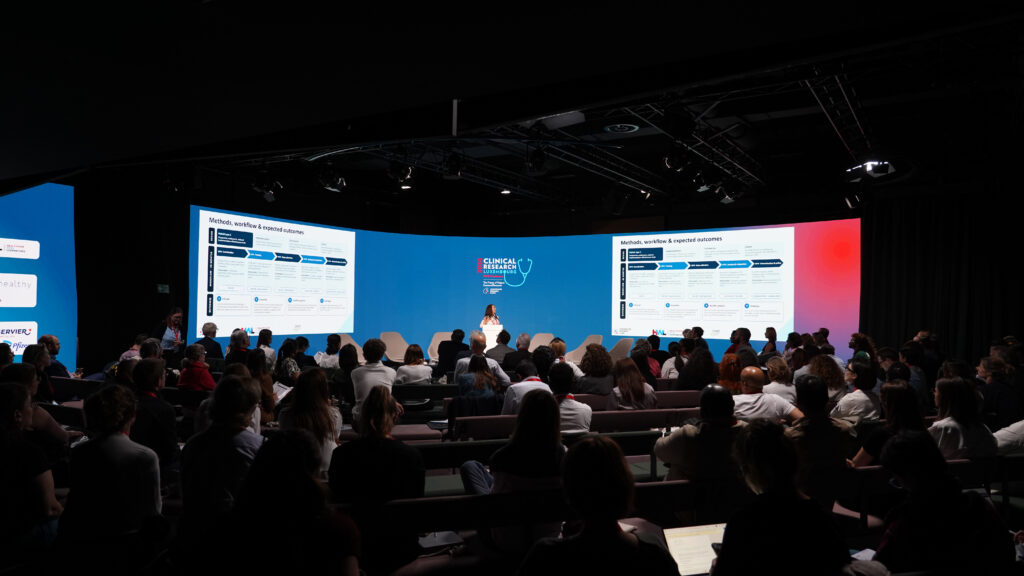
Luxembourg Research Clinic was launched during the Clinical Research Conference to strengthen patient access to clinical research
On September 29, the Luxembourg Institute of Health (LIH) and its national partners officially inaugurated the Luxembourg Research Clinic (Fuerschungsklinik…
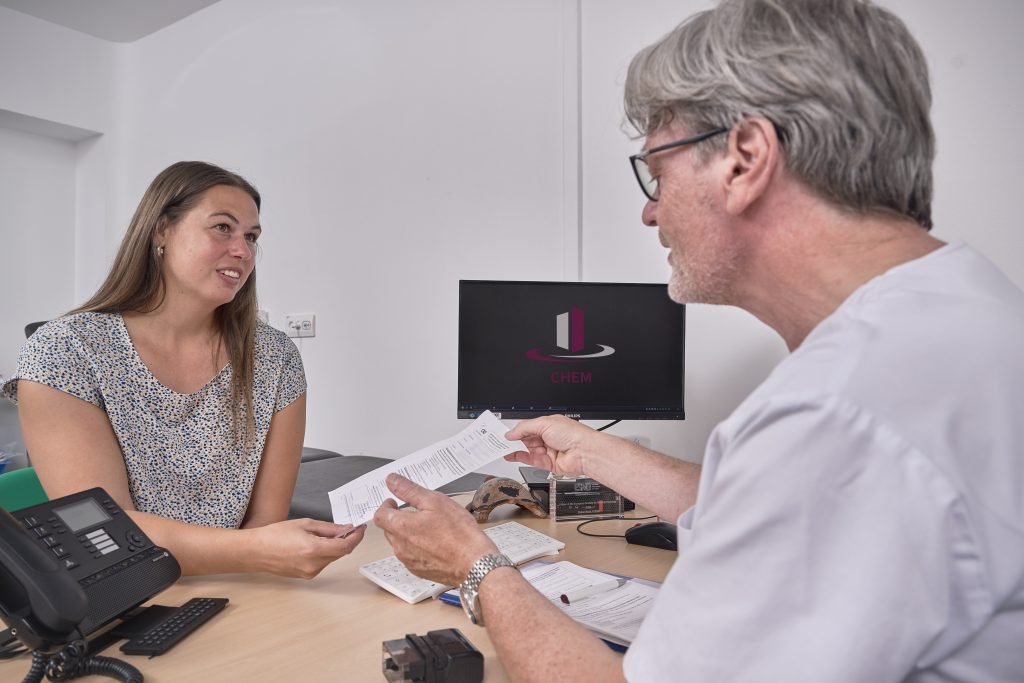
Small country, significant capacity
Luxembourg may be one of Europe’s smallest countries, but the Luxembourg Research Clinic demonstrates how its highly connected national network…
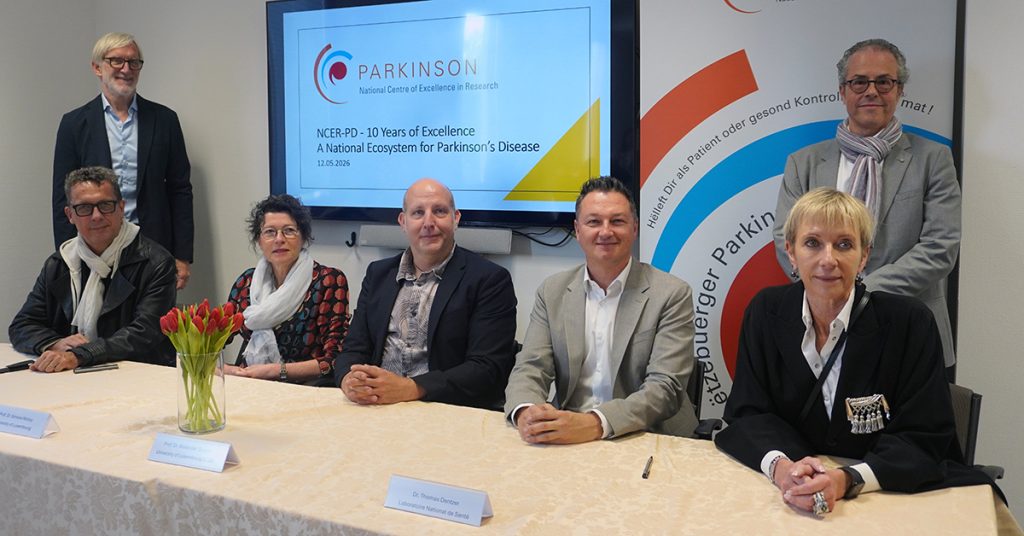
Landmark agreement ensures sustainability of Luxembourg Parkinson’s programme
Three leading researchers have joined the LRC's scientific committee, bringing expertise in immunology, rare diseases, and translational genomics from institutions…
Related events
Clinical Research Luxembourg Conference

Why does clinical research matter today in Luxembourg? Clinical research plays a vital role in improving patient care, driving medical…