
PPMI
The Parkinson’s progression markers initiative (PPMI) clinical – Establishing a deeply phenotyped Parkinson’s disease cohort
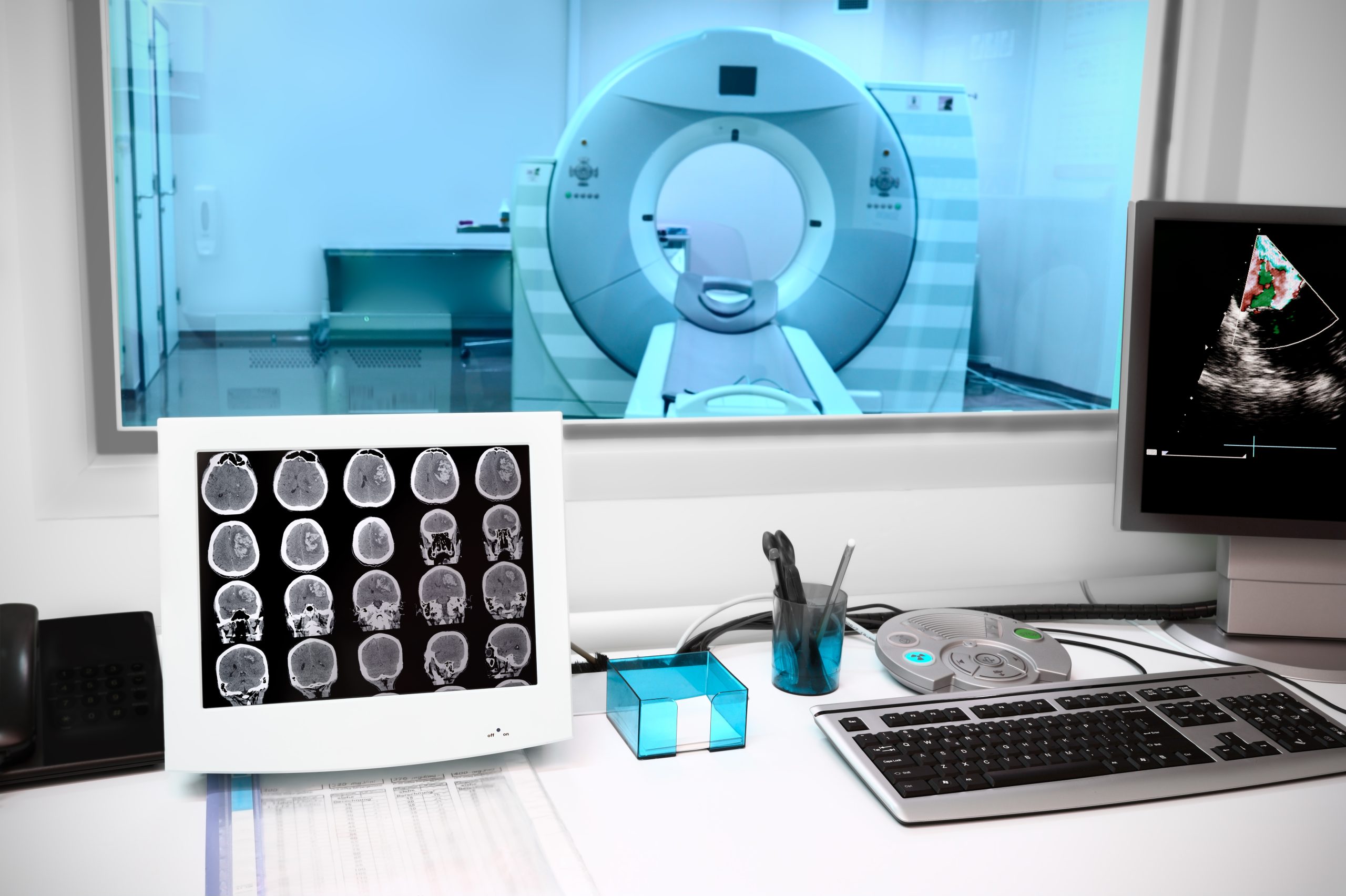
PPMI Clinical is an international observational research study designed to improve our understanding of Parkinson’s disease and how it progresses over time. The study follows people living with Parkinson’s disease, individuals who may be at increased risk of developing Parkinson’s disease, and healthy volunteers to better understand the biological and clinical changes that occur throughout the course of the disease. In Luxembourg, healthy volunteers are not recruited to the PPMI study. Researchers will collect and analyse a wide range of information, including clinical assessments, digital health data, brain imaging, genetic information, and biological samples. The goal is to identify and validate biomarkers, i.e. measurable indicators of disease progression, that can help researchers track Parkinson’s disease more accurately and understand why the disease progresses differently from one person to another. By creating a large, standardised database and biobank, PPMI Clinical aims to support the development of future Parkinson’s disease treatments, improve the identification of individuals at risk of developing the disease, and advance personalised approaches to patient care. The knowledge gained through this study may help accelerate research and improve clinical trials for new therapies targeting Parkinson’s disease.
About the study


Locations

L-1210 Luxembourg
Contact


Ready to take part?
Our team is available to answer all your questions before you decide.
Who can participate?
People with recently diagnosed Parkinson’s disease

Eligible participants
- Adults aged 30 years or older.
- Diagnosed with Parkinson’s disease within the last 2 years.
- Early-stage disease.
- Not yet taking Parkinson’s disease medication, or not expected to require treatment in the immediate future.
- Willing to undergo study assessments, including brain imaging and biological sample collection.

Exclusion criteria
People with Parkinson’s disease
- Are taking or have recently taken any Parkinson’ disease medication.
- Have a form of parkinsonism other than Parkinson’s disease.
- Have dementia or another significant neurological disorder.
- Have medical conditions that would make study participation unsafe.
- Are unable to undergo certain study procedures, such as lumbar puncture or brain imaging.
People with Parkinson’s disease and specific genetic variants
Eligible participants
- Adults aged 30 years or older.
- Diagnosed with Parkinson’s disease.
- Carry a genetic variant associated with Parkinson’s disease, such as changes in the LRRK2, GBA, SNCA, Parkin, or PINK1 genes.
- Willing to undergo genetic testing (if required), brain imaging, and biological sample collection.
People at increased risk of Parkinson’s disease (prodromal Parkinson’s disease)
Eligible participants
Adults who may be at increased risk of developing Parkinson’s disease due to factors such as:
- Reduced sense of smell (hyposmia),
- REM sleep behaviour disorder (RBD),
- Certain genetic variants associated with Parkinson’s disease.
- Other recognised risk factors.
- Willing to undergo study assessments, including brain imaging and biological sample collection.
Exclusion criteria
- Have already been diagnosed with Parkinson’s disease, another parkinsonian disorder, or dementia.
- Have medical conditions that would make study participation unsafe.
- Are unable to undergo certain study procedures, such as lumbar puncture or brain imaging.

Not sure about eligibility?
For all participant groups, the study team will review medical history, medications, and test results to determine whether participation is appropriate and safe. If you are unsure whether you are eligible, do not hesitate to contact us.
What will participants do?
01.
Provide informed consent
This must be completed before any study procedures are carried out.
02.
Attend study visits at the clinical site
These will include an initial screening visit, a baseline visit, diagnostic visits, and follow-up visits. Depending on your participant group, visits may take place every 6 to 12 months and may continue for at least 5 years.
03.
Complete clinical assessments
These will include neurological examinations, movement assessments, cognitive tests, and questionnaires about your health and daily activities.
04.
Provide biological samples
These may include:
- Blood samples
- Urine samples
- Cerebrospinal fluid (CSF) collected through a lumbar puncture
- Skin biopsy samples
05.
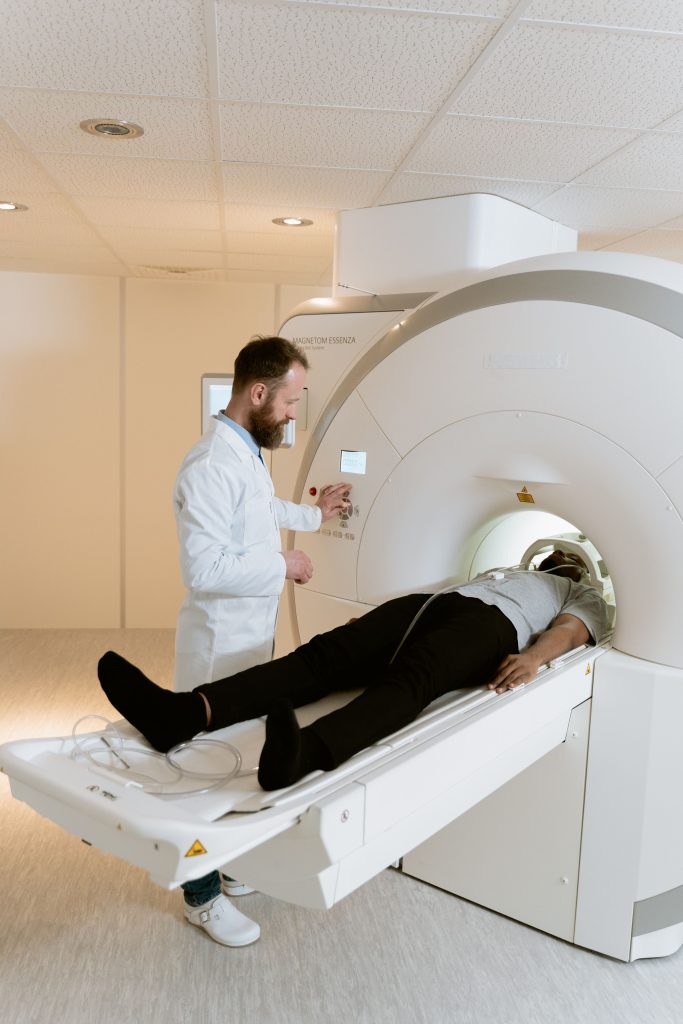
Undergo brain imaging examinations
These will include:
- Dopamine Transporter SPECT (DaTscan) imaging to assess dopamine function
- Magnetic Resonance Imaging (MRI) scans
06.
Provide medical and family information
This will include information about your medical history, medications, and family history throughout the study.
07.
Attend remote follow-up visits
These may be conducted by video call or telephone between in-person visits.
08.
Continue long-term follow-up
This will allow researchers to monitor changes in your health, symptoms, imaging results, and biological markers over time.
Depending on your participant group (Parkinson’s disease, genetic Parkinson’s disease, or at-risk/prodromal participant), some assessments and visit schedules may vary.
Contact & location
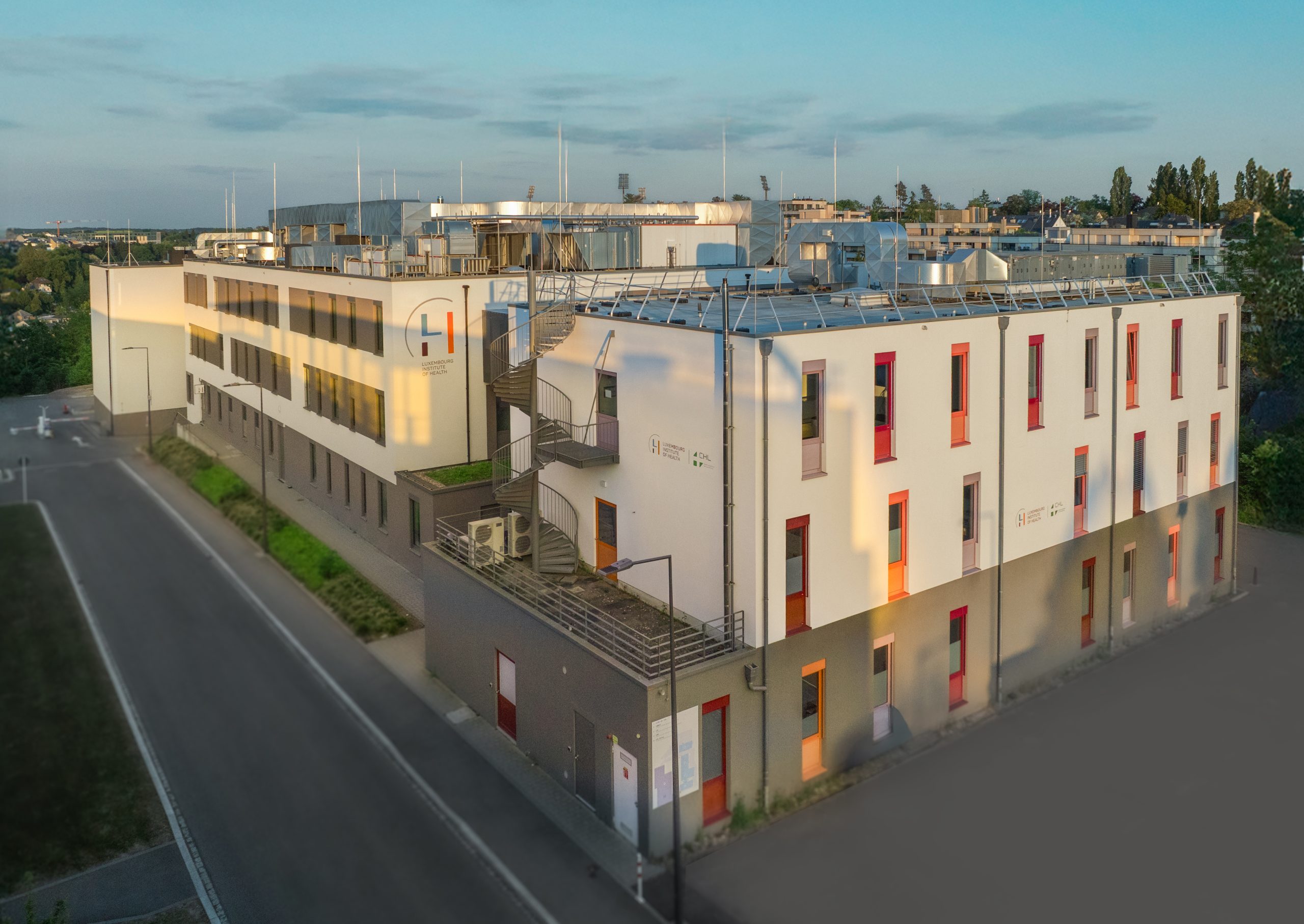
Luxembourg Research Clinic (LRC)
6, Rue Nicolas-Ernest Barblé,
L-1210 Luxembourg
Study team

Prof. Dr Rejko Krüger
Coordinator, National Centre for Excellence in Research on Parkinson’s disease (NCER-PD); Director of Neurology, Luxembourg Research Clinic (LRC), Luxembourg Institute of Health (LIH); Neurologist and Medical coordinator, Réseau de Compétences Maladies Neurodégénératives, Centre Hospitalier de Luxembourg (CHL); Professor for Clinical and Experimental Neuroscience, University of Luxembourg (UL)
Centre Hospitalier de Luxembourg (CHL)Kenneth Marek
MD, PhD, The Institute for Neurodegenerative Disorders New Haven, Connecticut, USA
Participating institutions
PPMI is an international collaboration between nearly 50 clinical sites across 12 countries, supported by over 40 public, private and philanthropic investors and sponsored by The Michael J. Fox Foundation for Parkinson’s Research (MJFF). In Luxembourg, the study is being conducted by the National Centre of Excellence in Research on Parkinson’s disease (NCER-PD) consortium, involving the following partners:





Funded by
The Michael J. Fox Foundation for Parkinson’s Research (MJFF)
Want to learn more about the study?
Visit the website for full study details, scientific publications and research background.
Related news & updates

Small country, significant capacity
Luxembourg may be one of Europe’s smallest countries, but the Luxembourg Research Clinic demonstrates how its highly connected national network…
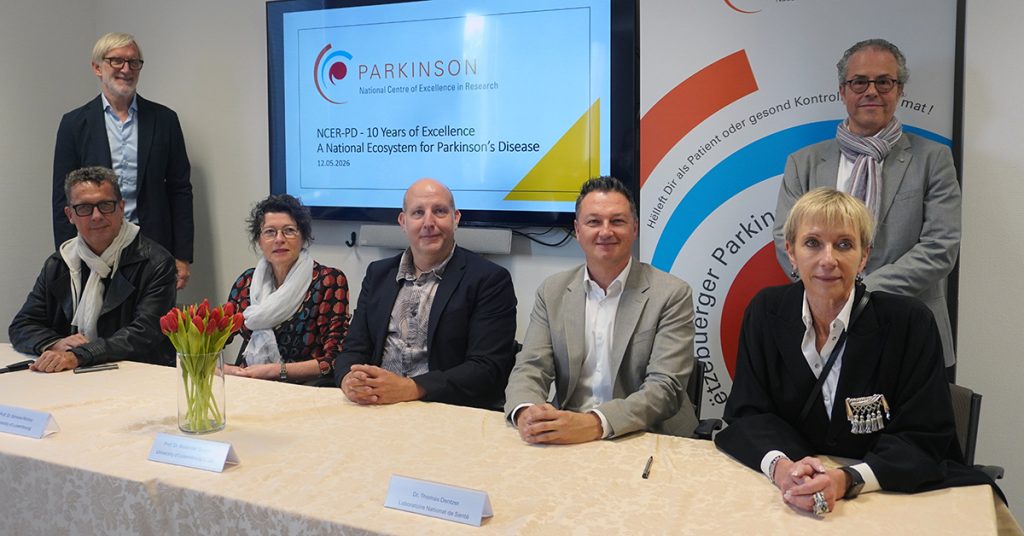
Landmark agreement ensures sustainability of Luxembourg Parkinson’s programme
Three leading researchers have joined the LRC's scientific committee, bringing expertise in immunology, rare diseases, and translational genomics from institutions…
Related events
Clinical Research Luxembourg Conference

Why does clinical research matter today in Luxembourg? Clinical research plays a vital role in improving patient care, driving medical…