
Oncological diseases
Cancer is one of the main causes of early death in Luxembourg and remains a major public health challenge. At the Luxembourg Research Clinic, cancer research follows a precision medicine approach, aiming to improve prevention, diagnosis and treatment by bringing research and patient care closer together.
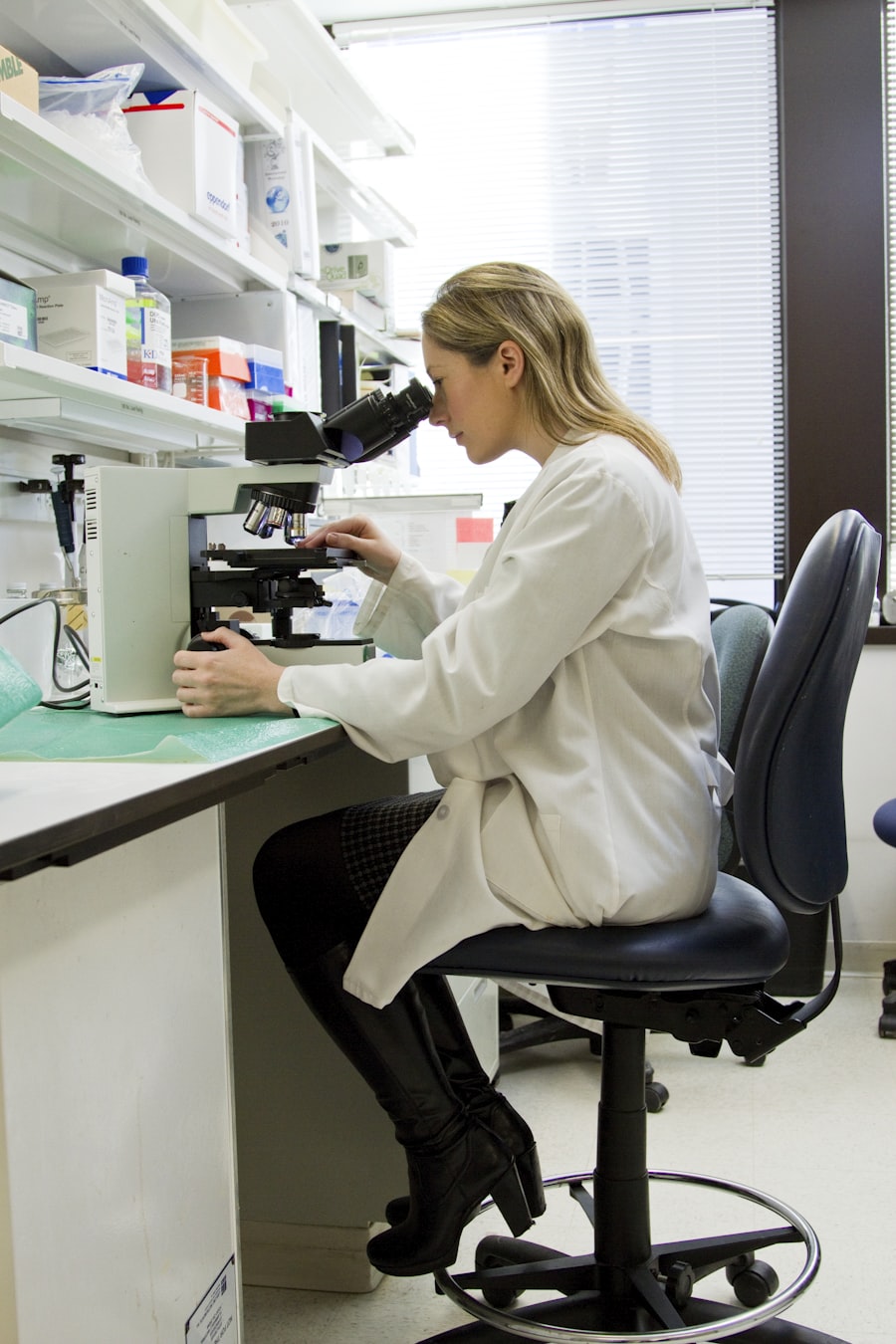
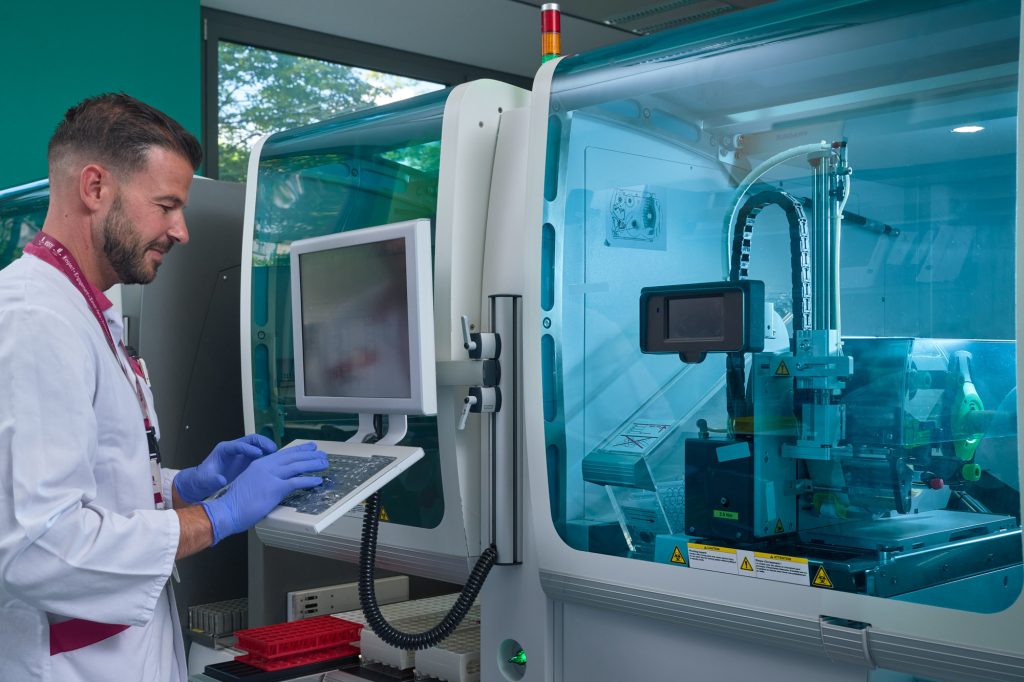
This research covers many aspects of cancer, including how tumours develop, how they are detected, how the disease progresses, and how patients respond to treatment. By combining laboratory analyses with clinical data and information reported by patients themselves, researchers and clinicians work to better understand why cancers behave differently from one person to another. This helps them recognize when a cancer may become more aggressive or stop responding to treatment, making it easier to choose the most suitable treatment for each patient.
“
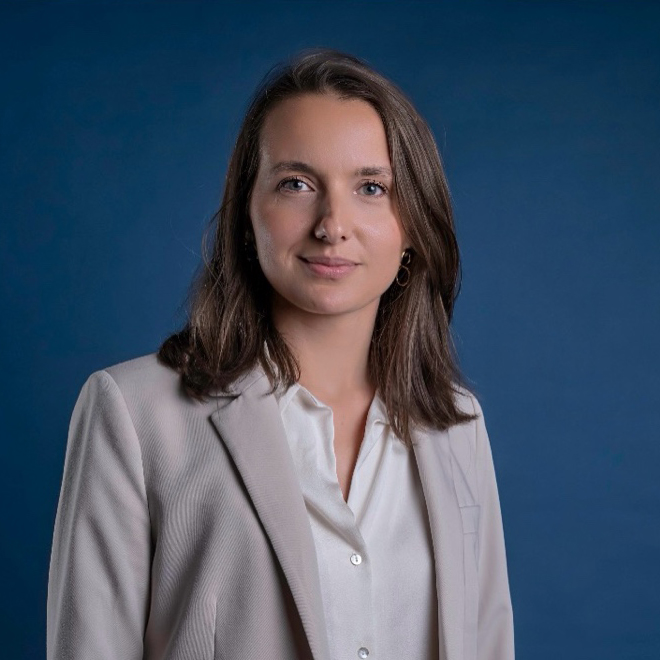
Research can only truly serve patients if it starts with them, with what happens at the bedside, one case at a time. A tumour is not a single snapshot taken at diagnosis. It changes over time, and the treatment should evolve with it. Making that possible requires close collaboration between clinicians and scientists every day. Every change observed in a patient’s tumour can help guide their care while also generating knowledge that benefits future patients. It also requires our institutions to work together seamlessly, so that clinical observations and scientific discoveries inform one another. That is the purpose behind every partnership we build: to ensure that the research follows the patient as closely as their disease does.
Liza Filali, Coordinator of Oncological Diseases
Coordinator
Institutional contact points


Related programmes
Related studies

IMPRESS
 Oncological diseases
  18+ years
 The IMPRESS study aims to better understand why some people with non-small cell lung cancer (NSCLC) or triple-negative breast cancer (TNBC) respond to immunotherapy before…
ImMI-Tx
The ImMI-Tx project aims to better understand the role of the gut microbiome – the community of microorganisms living naturally in the digestive tract -…

TRAIN4CHIMIO
The primary objective of the “Train4Chimio” study is to evaluate the feasibility of the EMDR-derived “Train protocol” on trauma in patients treated with chemotherapy for…
SOCS
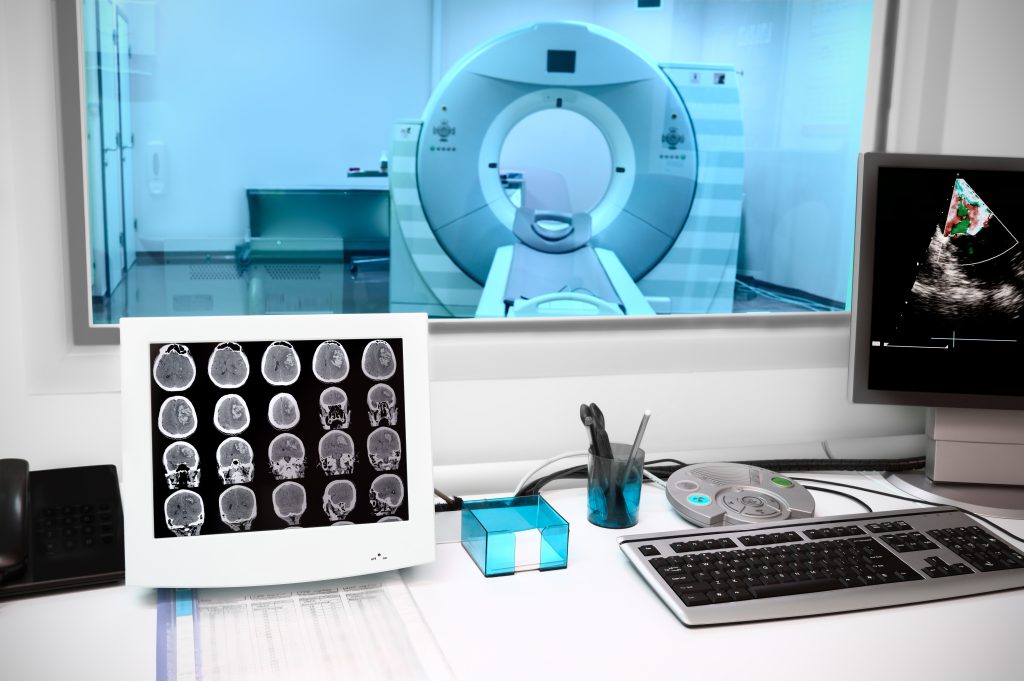
The SOCS project aims to improve the understanding and treatment of colorectal cancer by following patients over time and collecting clinical information and biological samples.
Related news
Small country, significant capacity
Luxembourg may be one of Europe’s smallest countries, but the Luxembourg Research Clinic demonstrates how its highly connected national network…
Joint action on personalised cancer medicine kicks off
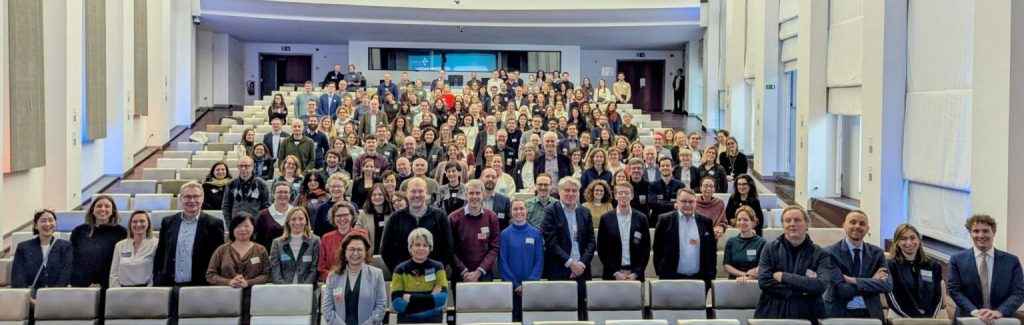
Luxembourg's Research Clinic has been admitted as a full member of ECRIN, the European Clinical Research Infrastructure Network, opening access…
Upcoming events
Clinical Research Luxembourg Conference


Why does clinical research matter today in Luxembourg? Clinical research plays a vital role in improving patient care, driving medical…