
STEPCARE
Sedation, Temperature and Pressure after a Cardiac Arrest and Resuscitation
The STEPCARE study focuses on post-resuscitation care for unconscious patients who have been resuscitated after a cardiac arrest. Current international recommendations on the management of cardiac arrest include, among other measures, sedation, the control of body temperature and blood pressure. However, the most effective management for protecting the brain is currently not known.
The aim of the STEPCARE study is to determine the best combination of post-resuscitation care to be applied in order to improve patient survival and limit neurological sequelae. The study compares commonly used intensive care strategies for controlling the level of sedation (deep or moderate), body temperature (with or without a medical device) and mean arterial pressure (high values > 85 mmHg or lower values > 65 mmHg). Sedation comprises the pharmacological and non-pharmacological measures intended to ensure the comfort of the patient, reduce brain activity (to “protect” the brain) and facilitate therapeutic procedures during the stay in intensive care. Under moderate sedation, the patient should be relaxed and sleepy, but communication with those around them remains possible. Under deep sedation, the patient remains unconscious as a result of the medication administered (“artificial coma”).
The objective of the study is to compare the effect of the treatments administered on patient outcome. All the treatments applied in this study are in accordance with current recommendations and aim to further improve management after cardiac arrest. The study could thus contribute to improving knowledge of the management of patients after cardiac arrest. In the long term, the aim is to increase patients’ chances of survival and to create the best conditions for optimal functional and neurological recovery.


Want to learn more?
About the study


Locations

L-1210 Luxembourg
Contact


Who can participate?

Eligible participants
Patients eligible for inclusion will be unconscious adult patients resuscitated from out-of-hospital cardiac arrest with stable return of spontaneous circulation

Exclusion criteria
- Trauma or hemorrhage being the presumed cause of arrest
- Suspected or confirmed intracranial hemorrhage
- On ECMO (ExtraCorporeal Membrane Oxygenation) prior to randomization
- Pregnancy

Study Procedures
01.
Signature of the informed consent
by the patient’s trusted person /legal representative.
02.
Signature of the informed consent
by the patient as soon as they are able to.
03.
Collection of health data
related to the cardiac arrest from admission to discharge.
04.
Day 30 follow-up
modified Rankin Scale.
05.
6-month follow-up visit
quality of life questionnaire.
Contact & location
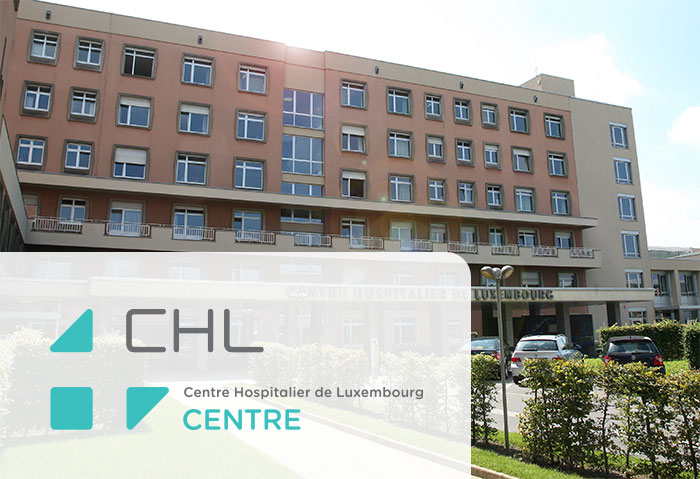
Centre Hospitalier de Luxembourg – CHL Centre
4 rue Barblé
L-1210 Luxembourg
Principal Investigator

Prof. Dr Pascal Stammet
MD, PhD, Service de Réanimation – Soins intensifs, Centre Hospitalier de Luxembourg (CHL), Clinical Affiliated Professor at the University of Luxembourg
Centre Hospitalier de Luxembourg (CHL)Participating institutions
The STEPCARE study is initiated by the Region Skåne- Helsingborgs Hospital in Sweden (Coordinating PI: Prof. Dr Niklas Nielsen, MD, PhD Lund University) and involves more than 60 clinical sites across Europe, Asia, Australia and New Zealand.

Funded by
You can find a complete list of all partners here.
Region Skåne- Helsingborgs Hospital
Ministry of Health and Social Security
Fondation Cœur – Daniel Wagner
Want to learn more about STEPCARE?
Related news & updates

Luxembourg Research Clinic was launched during the Clinical Research Conference to strengthen patient access to clinical research
On September 29, the Luxembourg Institute of Health (LIH) and its national partners officially inaugurated the Luxembourg Research Clinic (Fuerschungsklinik…

Small country, significant capacity
Luxembourg may be one of Europe’s smallest countries, but the Luxembourg Research Clinic demonstrates how its highly connected national network…
Landmark agreement ensures sustainability of Luxembourg Parkinson’s programme
Three leading researchers have joined the LRC's scientific committee, bringing expertise in immunology, rare diseases, and translational genomics from institutions…
Related events
Clinical Research Luxembourg Conference

Why does clinical research matter today in Luxembourg? Clinical research plays a vital role in improving patient care, driving medical…