
PreCoDE
A randomized, double-blind, placebo-controlled, 104-week proof-of-concept study to evaluate the efficacy of intravenous prasinezumab in participants with Parkinson’s disease carrying a severe mutation in the GBA gene
Some people with Parkinson’s disease carry changes (mutations) in a gene called GBA, which are associated with a higher risk of faster disease progression and cognitive decline. This study is investigating whether an experimental treatment called prasinezumab can help slow or prevent cognitive decline in people with Parkinson’s disease who carry a specific GBA gene mutation. Prasinezumab is a monoclonal antibody designed to target alpha-synuclein, a protein that is believed to play a key role in the damage and loss of nerve cells associated with Parkinson’s disease. Participants will receive either prasinezumab or a placebo through monthly intravenous infusions over a period of approximately two years. Researchers will compare the two groups to evaluate whether prasinezumab can help preserve cognitive function and slow disease progression. The findings from this international study may contribute to the development of new treatments that target the underlying biological processes of Parkinson’s disease and support more personalised approaches to patient care.

About the study


Locations

L-1210 Luxembourg
Contact


Want to learn more?
Who can participate?

Eligible participants
People with a specific GBA 1 mutation and with a confirmed diagnosis of Parkinson’s disease could qualify for the study. For more exact details, please contact the study team, which will review each case individually to determine eligibility.
What are the possible benefits of taking part?
Taking part in the PreCoDe study may or may not provide a direct benefit to you.
Researchers hope that the investigational treatment may help delay or prevent cognitive decline in people with Parkinson’s disease, but this has not yet been proven.
As a participant, you will also receive regular clinical assessments and close monitoring by the study team throughout the trial.
By taking part, you will contribute to research that may improve the understanding and future treatment of Parkinson’s disease.
What are the possible risks?
As with any clinical trial, participation involves some risks.
The investigational medicine, prasinezumab, has already been studied in healthy volunteers and people with Parkinson’s disease. The most common side effects reported were infusion-related allergic reactions, which occurred in around 1 in 5 participants, most often during the first or second infusion. Other reported side effects included constipation, diarrhoea, and swelling of the legs or feet.
Some study procedures may also involve minor risks:
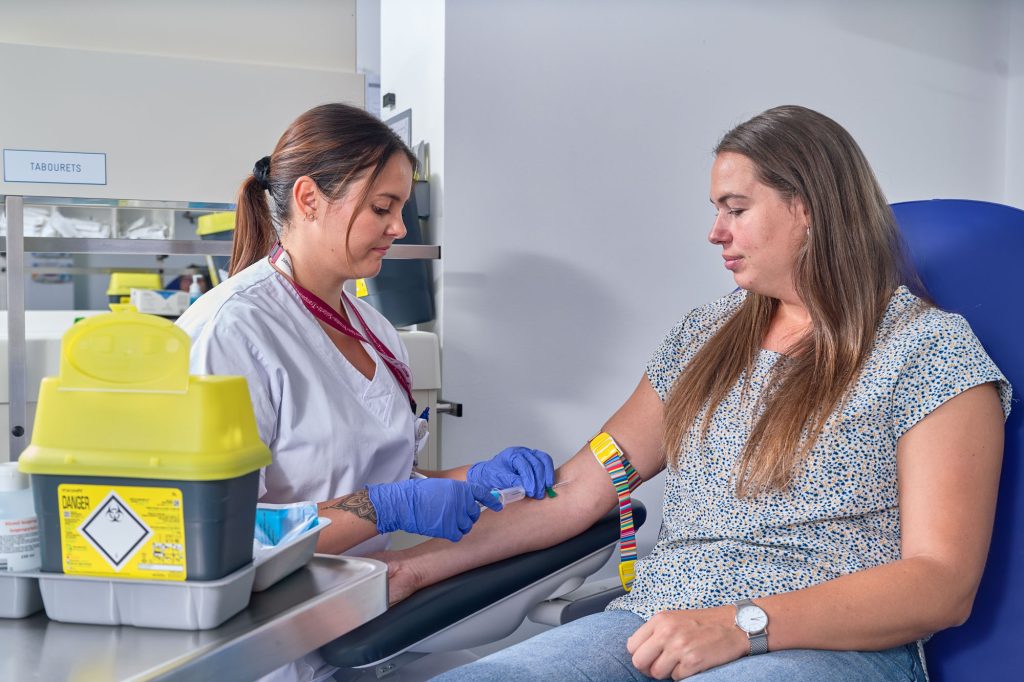
- Blood sampling may cause temporary pain, bruising, dizziness, or, very rarely, infection.
- Lumbar puncture (optional) may cause temporary headaches or pain at the puncture site. More serious complications, such as infection or bleeding, are uncommon. The study team will carefully assess whether this procedure is safe for you before it is performed.
The study team will monitor your health closely throughout the trial and explain all potential risks before you decide whether to participate.
What will participants do?
01.
Attend a screening visit
The study team will assess whether you are eligible to take part.
02.
Be randomly assigned to a treatment group
You will receive either the investigational treatment (prasinezumab) or a placebo. Neither you nor the study team will know which treatment you receive during the study.
03.
Attend monthly study visits
These will take place over approximately 2 years. At each visit, you will receive your treatment as an intravenous (IV) infusion. Most visits will last around 2 hours.
04.
Complete comprehensive clinical assessments
These will take place during six longer study visits and will evaluate your Parkinson’s symptoms, including movement, thinking and memory, sleep, mood, and other aspects of your health.
05.
Provide blood samples
These will be collected during the longer study visits and at the final follow-up visit to monitor your health and support the study analyses.
06.
Undergo two lumbar punctures (optional)
One will take place before starting treatment and the other at the end of the study to collect cerebrospinal fluid. You can still participate in the study if you choose not to undergo this procedure.
Contact & location
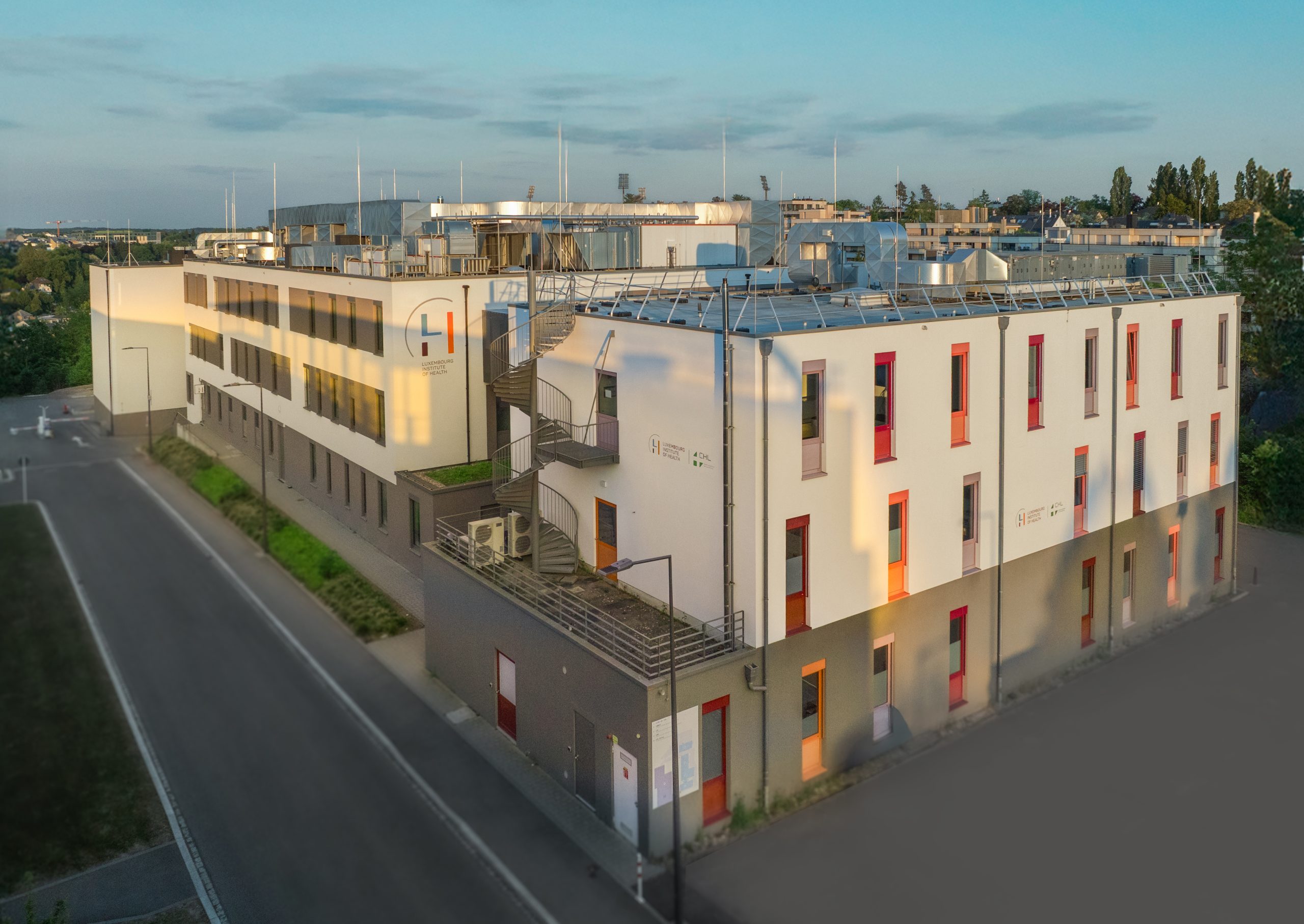
Luxembourg Research Clinic (LRC)
6, Rue Nicolas-Ernest Barblé,
L-1210 Luxembourg
Study team

Prof. Dr Rejko Krüger
Coordinator, National Centre for Excellence in Research on Parkinson’s disease (NCER-PD); Director of Neurology, Luxembourg Research Clinic (LRC), Luxembourg Institute of Health (LIH); Neurologist and Medical coordinator, Réseau de Compétences Maladies Neurodégénératives, Centre Hospitalier de Luxembourg (CHL); Professor for Clinical and Experimental Neuroscience, University of Luxembourg (UL)
Centre Hospitalier de Luxembourg (CHL)Prof. Kathrin Brockmann
Neurologist Head of Outpatient Clinic for Parkinson's Disease Group Leader "Clinical Parkinson Research" Clinical Coordinator of the Neurobiobank University of Tübingen Center of Neurology, Department of Neurodegenerative Diseases Hertie Institute for Clinical Brain Research HiH German Centre for Neurodegenerative Diseases DZNE
University of TübingenParticipating institutions
PreCoDe is a collaboration between clinical and research partners across France, Germany, Italy, Luxembourg, Spain, Sweden and the UK, sponsored by the University Hospital Tübingen (Germany).



Funded by
Michael J. Fox Foundation for Parkinson’s Research
Want to learn more about the study?
Visit the website for full study details, scientific publications and research background.
Related news & updates
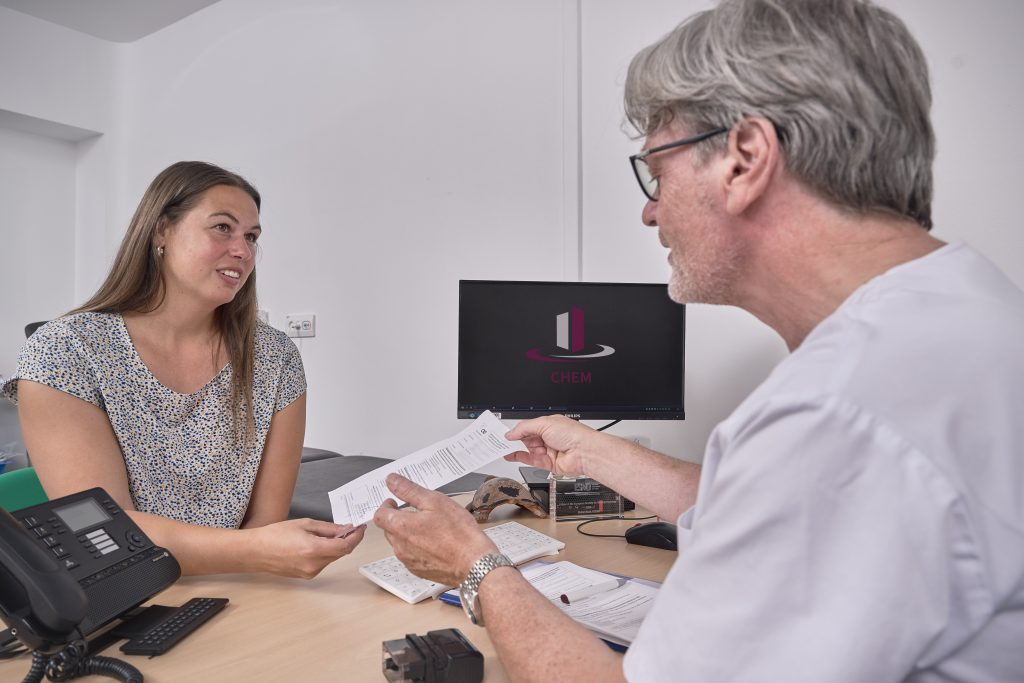
Small country, significant capacity
Luxembourg may be one of Europe’s smallest countries, but the Luxembourg Research Clinic demonstrates how its highly connected national network…

Building on Luxembourg’s Research Strengths
The Luxembourg Research Clinic brings together the strengths of Luxembourg’s leading healthcare, research and academic institutions, building on established expertise…
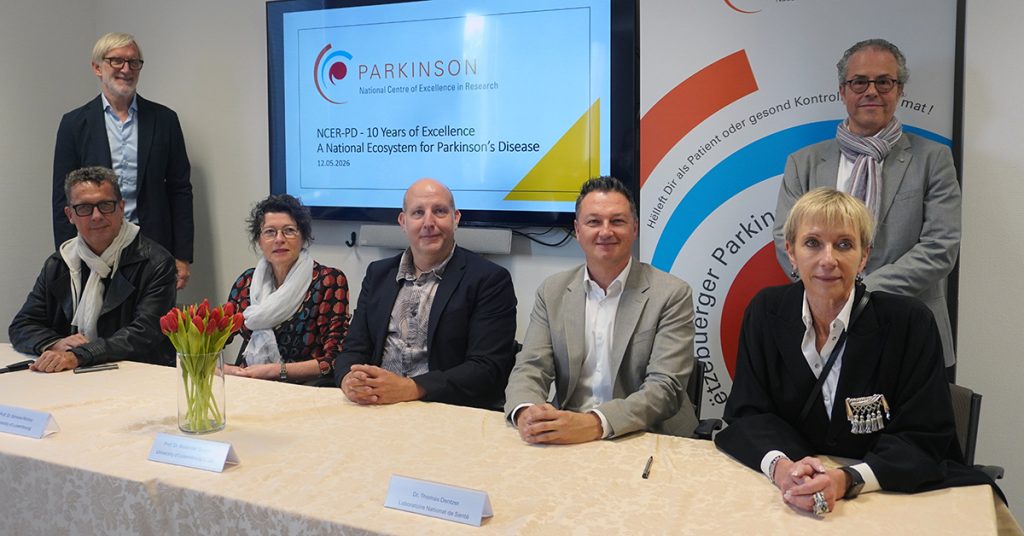
Landmark agreement ensures sustainability of Luxembourg Parkinson’s programme
Three leading researchers have joined the LRC's scientific committee, bringing expertise in immunology, rare diseases, and translational genomics from institutions…
Related events
Clinical Research Luxembourg Conference

Why does clinical research matter today in Luxembourg? Clinical research plays a vital role in improving patient care, driving medical…