
Immunity and Infection
The immune system plays a central role in maintaining health by protecting the body against infections while preserving tolerance to its own tissues. Disease can arise when this balance is disrupted, either through insufficient immune responses or through excessive or misdirected activity.
Immune-mediated diseases occur when the immune system attacks the body’s own cells, causing chronic inflammation and damage. About 0.5% of the general population is affected by conditions in this category. Conversely, impaired immune responses can lead to recurrent or severe infections caused by viral, bacterial or other pathogens.
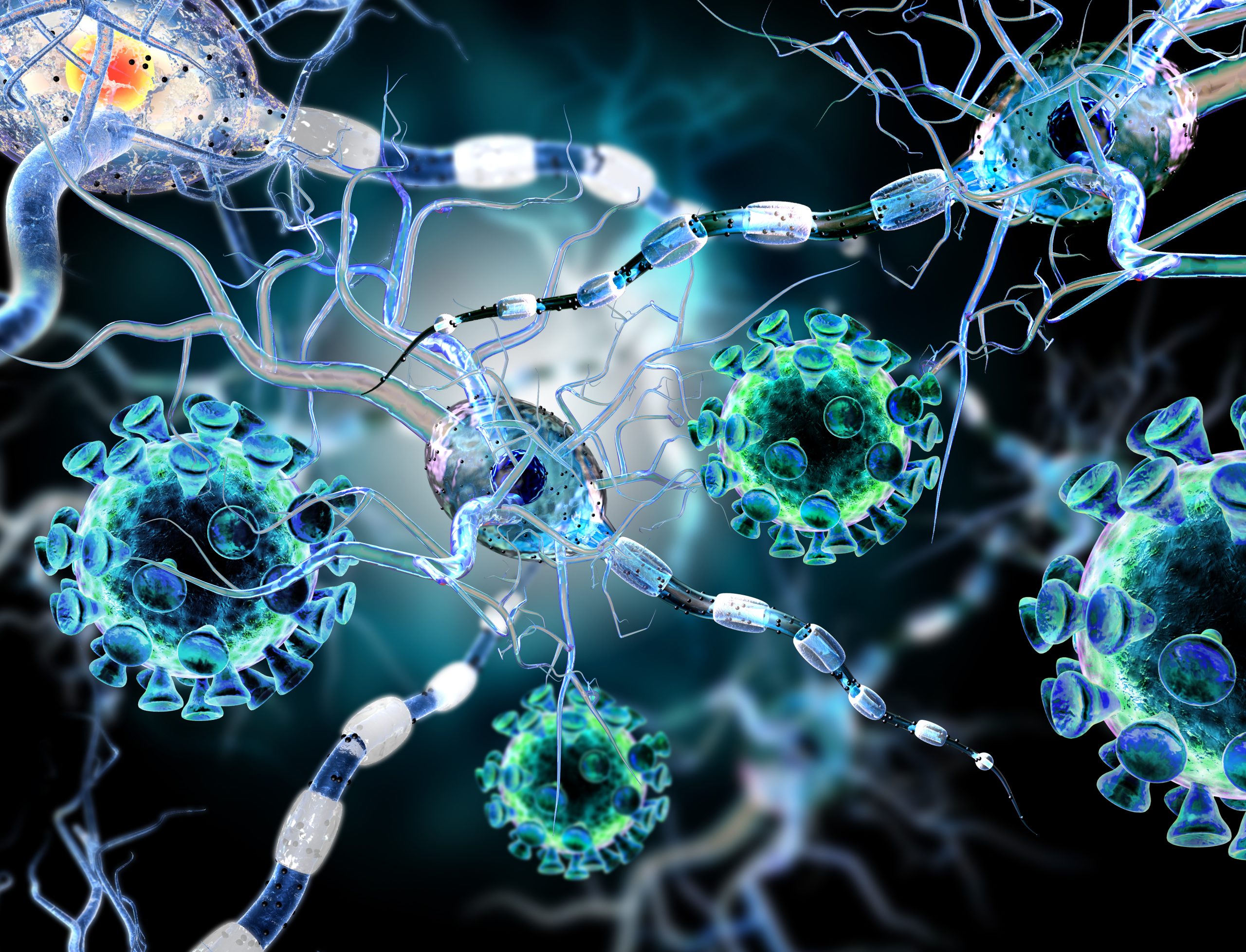

At the Luxembourg Research Clinic, researchers and clinicians aim to improve understanding of immune system function and dysfunction across this spectrum. This includes investigating how immune responses are initiated, regulated and resolved, and how their imbalance contributes to disease. Addressing global health challenges such as infections, cancer and autoimmunity through the development of vaccines, diagnostics and targeted treatments is a key priority.
Given the complexity of immune-related conditions, which are shaped by both genetic and environmental factors, the identification of predictive biomarkers is a major focus for the LRC.
The LRC coordinates and participates in numerous programmes and studies on immune-related disorders, both in Luxembourg and internationally. These include conditions such as rheumatoid arthritis, multiple sclerosis, inflammatory bowel disease and food allergies, alongside research on host responses to infectious diseases.
“
The immune system lies at the crossroads between health and disease. It is the common denominator across many different disorders, from infections and autoimmune diseases to allergies, neurodegenerative disorders and cancer. By understanding what determines its function and dysfunction, we can combat disease and devise novel preventive and therapeutic approaches to make a meaningful impact on patients.
Dr Jasmin Schulz, Strategic Program Lead
Coordinator

Institutional contact points






Related programmes

Clinnova
 Immunity and Infection
 Unlocking the potential of data science and A.I. in health care Clinnova is an international research and healthcare innovation programme that aims to advance precision…
Related studies

Clinnova-RD
 18+ years
 Rheumatoid diseases (RD) are chronic conditions that can affect the joints, muscles, and other organs, often causing pain, inflammation, fatigue, and reduced quality of life.…

Clinnova-MS
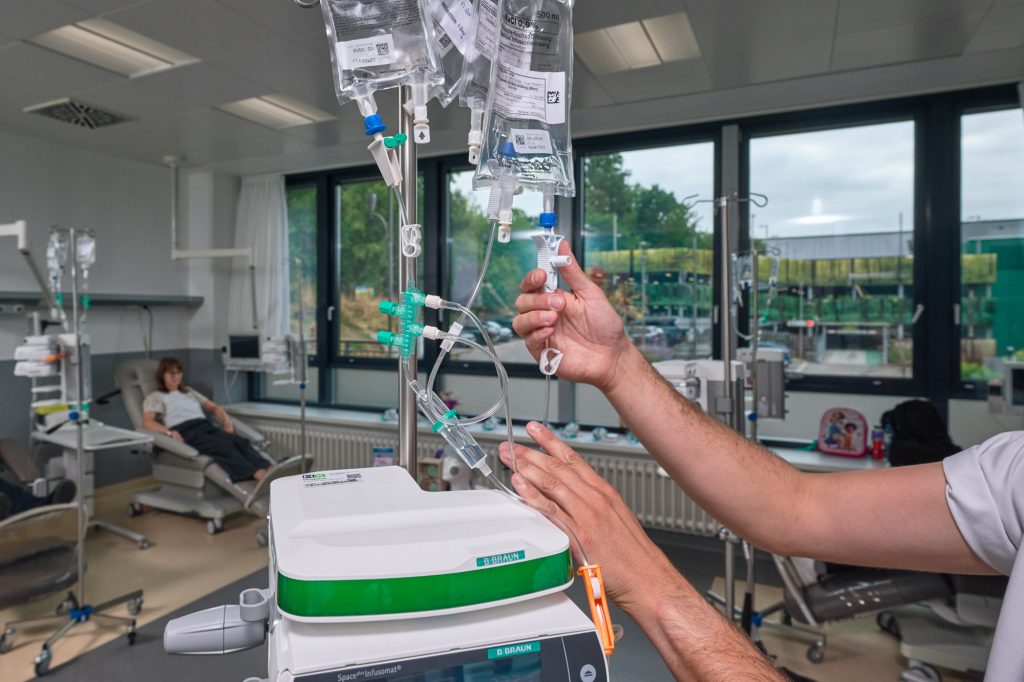
Multiple sclerosis (MS) is a chronic neurological condition that can affect people in very different ways. The Clinnova-MS project aims to improve personalised care for…
Clinnova-IBD
Inflammatory bowel disease (IBD), including Crohn’s disease and ulcerative colitis, is a chronic condition that affects the digestive tract. Because IBD can vary greatly from…

COHESion
COHESion is an European study that aims to improve the understanding of hypereosinophilia (HE) and hypereosinophilic syndromes (HES), a group of rare diseases in which…
Related news

Small country, significant capacity
Luxembourg may be one of Europe’s smallest countries, but the Luxembourg Research Clinic demonstrates how its highly connected national network…

Clinnova Consortium Agreement signed, marking a major milestone for health research across Europe
Thanks to a joint investment from LIH and the Ministry of Health, the national biobank accessible to LRC studies has…

Building on Luxembourg’s Research Strengths
The Luxembourg Research Clinic brings together the strengths of Luxembourg’s leading healthcare, research and academic institutions, building on established expertise…
Upcoming events
Clinical Research Luxembourg Conference


Why does clinical research matter today in Luxembourg? Clinical research plays a vital role in improving patient care, driving medical…