
PRECISION-PDX 2.0
Personalised medicine for central nervous system tumour patients: from basic research to preclinical models
The PRECISION-PDX study aims to improve the understanding and treatment of tumours of the central nervous system, including brain and spinal cord tumours. By collecting tumour tissue donated by patients, researchers are building a national biobank that will support research into the biological mechanisms of these cancers and help identify new biomarkers for diagnosis and treatment. The donated tissue is also used to develop patient-derived tumour models – laboratory models that closely resemble each patient’s tumour. These models allow researchers to study how tumours behave and to test potential treatments before they are used in patients, helping to accelerate the development of more effective and personalised therapies for people living with brain and spinal cord tumours.

About the study


Locations

L-1210 Luxembourg
Contact


Ready to take part?
Who can participate?

Eligible participants
The study is recruiting:
- Have a brain or spinal cord tumour, whether benign or malignant.
- Are scheduled to undergo a tumour biopsy or surgical removal as part of your routine medical care.
- Are willing and able to provide written informed consent (or, for children, have consent provided by a parent or legal guardian).
- People of all ages may be eligible to participate.

Exclusion criteria
Have a known active prion disease or certain active viral infections,
such as HIV, hepatitis A, B or C, or cytomegalovirus (CMV).

What will participants do?
01.
Discuss the study with your healthcare team
This will take place before your scheduled surgery. You will receive detailed information about the study and have the opportunity to ask questions before deciding whether to participate.
02.
Sign an informed consent form
This must be completed before your surgery if you wish to take part. You are free to withdraw your consent at any time without affecting your medical care.
03.
Provide a blood sample
This will be collected before your surgical procedure.
04.
Allow the use of remaining tumour tissue
Researchers may use a small portion of the tumour tissue removed during your routine surgery that is not needed for your diagnosis or treatment. No additional surgical procedure will be performed for the study.
05.
Allow the collection of medical information
Researchers may collect information from your medical records, including information about your diagnosis, treatment, and long-term follow-up. If your tumour recurs or spreads within the central nervous system, available clinical information and tumour samples collected during your routine care may also be included in the study.
Contact & location
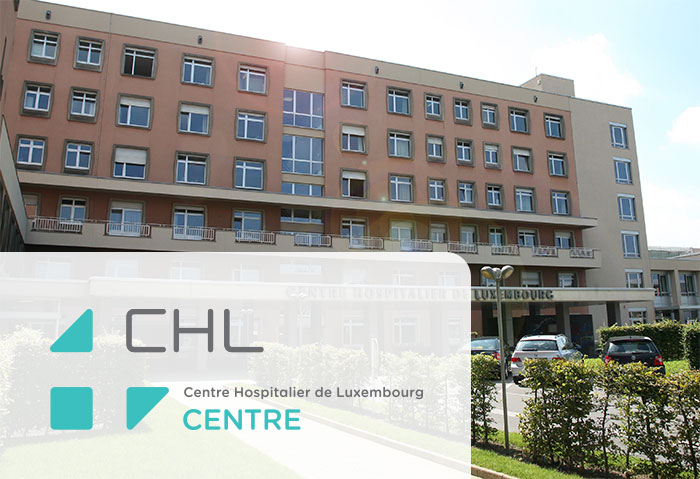
Centre Hospitalier de Luxembourg – CHL Centre
4 rue Barblé
L-1210 Luxembourg
Study team
Prof. Frank Hertel
MD, PhD, Chief Medical Investigator and Head of the National Center of Neurosurgery
Centre Hospitalier de Luxembourg (CHL)
Dr Anna Golebiewska
Chief Scientific Investigator and Group Leader, NORLUX
Luxembourg Institute of Health (LIH)Participating institutions


Funded by
The Luxembourg Institute of Health (LIH)
Want to learn more about the study?
Visit the website for full study details, scientific publications and research background.
Related news & updates
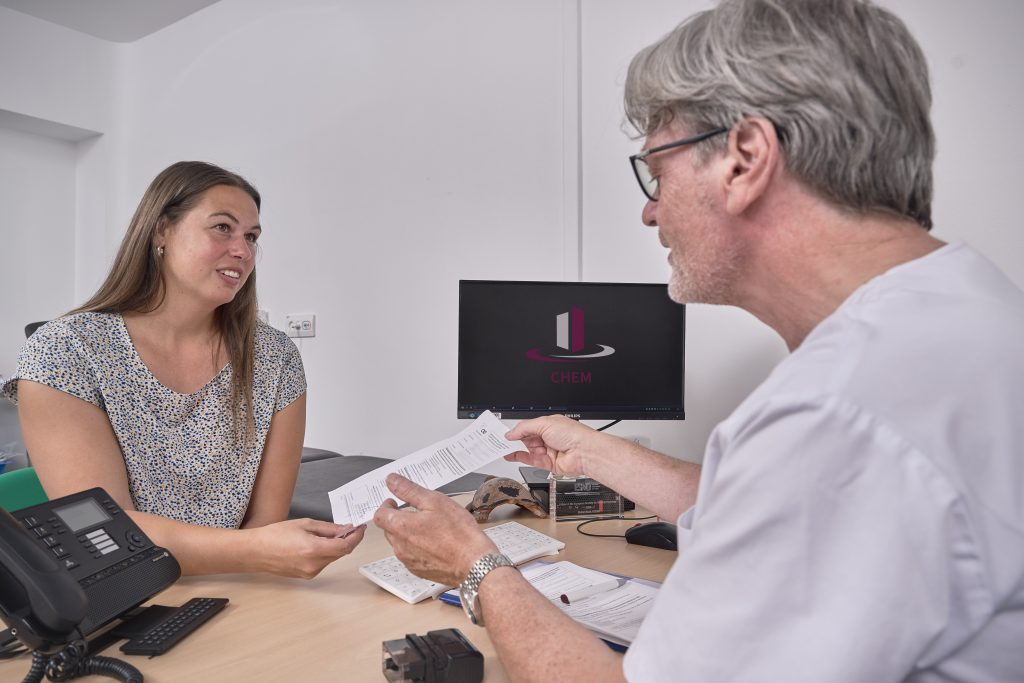
Small country, significant capacity
Luxembourg may be one of Europe’s smallest countries, but the Luxembourg Research Clinic demonstrates how its highly connected national network…
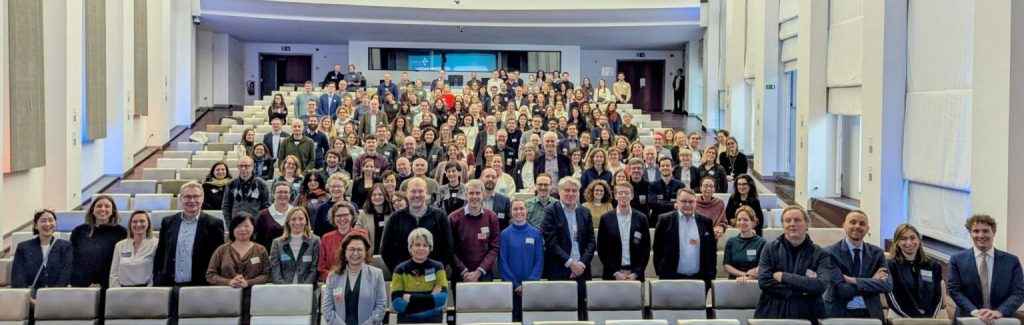
Joint action on personalised cancer medicine kicks off
Luxembourg's Research Clinic has been admitted as a full member of ECRIN, the European Clinical Research Infrastructure Network, opening access…
Related events
Clinical Research Luxembourg Conference

Why does clinical research matter today in Luxembourg? Clinical research plays a vital role in improving patient care, driving medical…